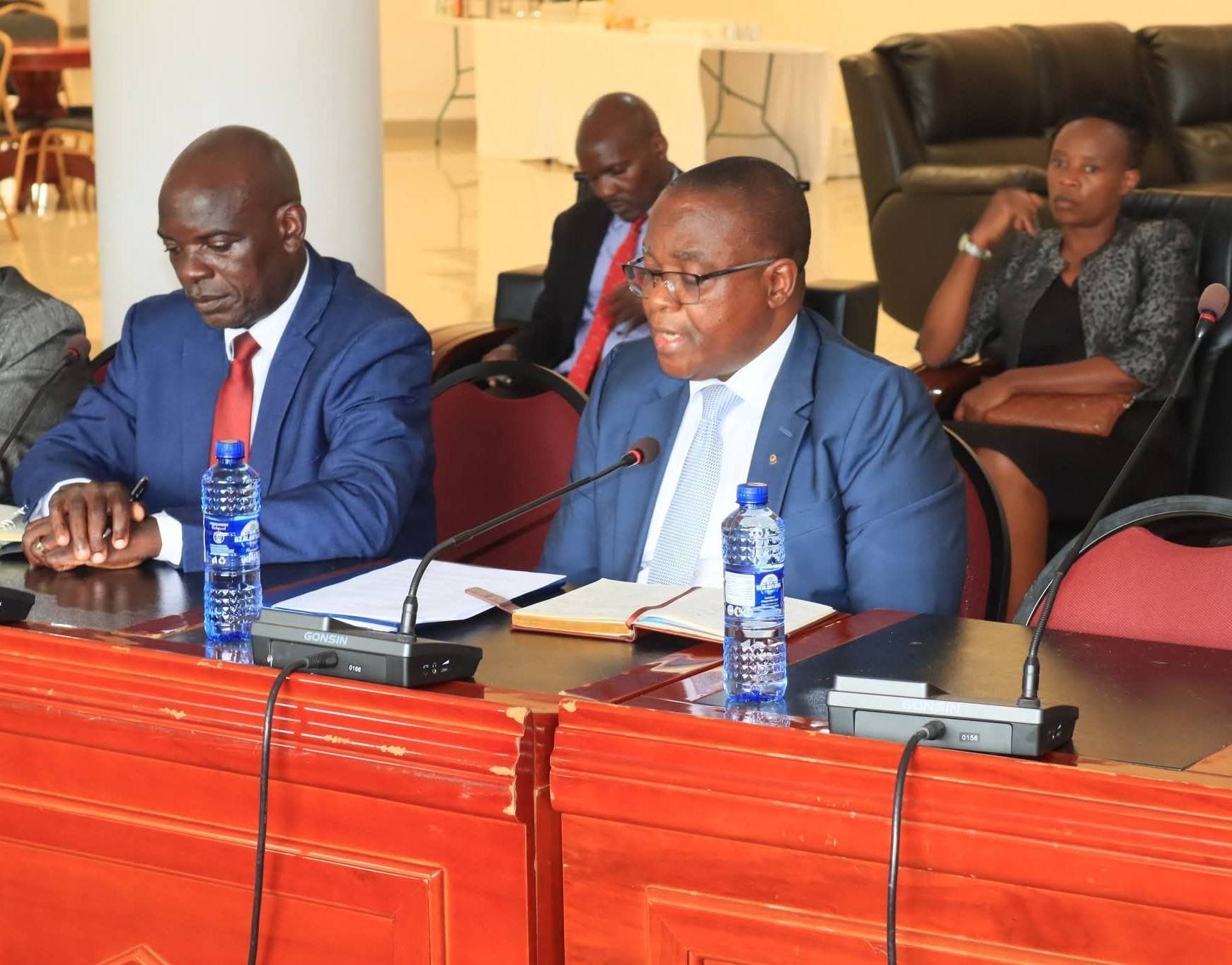
Husband to the Minister of Energy and one of the financiers of the ruling Democratic Progressive Party (DPP) during the last election, Dr. Henry Mathanga has reportedly pocketed MK1.5 billion in taxpayers’ money following his voluntary resignation as Deputy Governor of the Reserve Bank of Malawi (RBM) in 2021 after being sent on special leave.
The payment forms part of a consent order signed by Attorney General Frank Farouk Mbeta in January 2026. The same arrangement has also seen Mathanga reinstated to his former position at the central bank with effect from 1 January 2026.
Mathanga, a respected technocrat who joined the RBM in 1984, cited constructive dismissal when he chose to resign in March 2021. He was not dismissed outright.
Instead, he resigned of his own accord after allegedly finding the working environment unbearable under the Tonse Administration. Now, with the DPP back in power, that resignation has reportedly attracted a settlement worth MK1.5 billion.
The development raises uncomfortable questions for Malawians. Should taxpayers compensate public officials who voluntarily resign from office?
If every senior public official who feels politically uncomfortable can resign and later claim billions once their preferred administration returns to power, what does that mean for the public purse? And what message does it send to ordinary civil servants who continue working under difficult conditions without the prospect of a golden handshake?
This publication understands that the Attorney General’s Office had initially indicated that Mathanga would not be entitled to benefits covering the entire period he was out of office between 2021 and 2025. However, the consent order appears to have produced a different outcome.
Whether that outcome was based purely on legal considerations or broader negotiations remains a matter of public interest.
Mathanga has long been regarded as a quiet but highly competent technocrat whose expertise has earned him respect within the financial sector. His reinstatement has been welcomed by those who believe the Reserve Bank requires experienced leadership at a time when Malawi continues to grapple with persistent foreign exchange shortages, inflationary pressures and broader economic challenges.
However, the reported MK1.5 billion payout is likely to be difficult for many taxpayers to accept, particularly at a time when government continues to call for fiscal discipline, expenditure controls and public sacrifice.
This is also not an isolated development. Since President Peter Mutharika returned to office, several officials associated with the previous DPP administration have either been reinstated, had legal cases withdrawn, or successfully challenged decisions made during the Tonse era. Supporters describe this as correcting political injustices, while critics argue it risks placing an enormous financial burden on taxpayers.
The broader concern extends beyond one individual. Every large settlement paid from public funds ultimately competes with resources that could otherwise support hospitals, schools, road infrastructure, agricultural programmes and other essential public services. It is therefore unsurprising that many citizens are demanding greater transparency regarding the legal basis and financial justification for such payments.
Whether this particular settlement is legally watertight or politically convenient will continue to be debated. What is far more difficult to ignore is the public perception.
In a country where many families are struggling to afford basic necessities, and where the Reserve Bank itself consistently advocates prudent management of public finances, a reported MK1.5 billion payout to an official who voluntarily resigned inevitably raises serious questions about priorities, accountability and the stewardship of public resources.
Mathanga, the Reserve Bank of Malawi and the Attorney General have maintained their usual silence on the matter.
But across government offices, markets, restaurants and online platforms, one question continues to dominate the conversation:
At what point does correcting past injustices become rewarding political loyalty with public money—particularly where an individual voluntarily chose to resign from public office?
About The Author