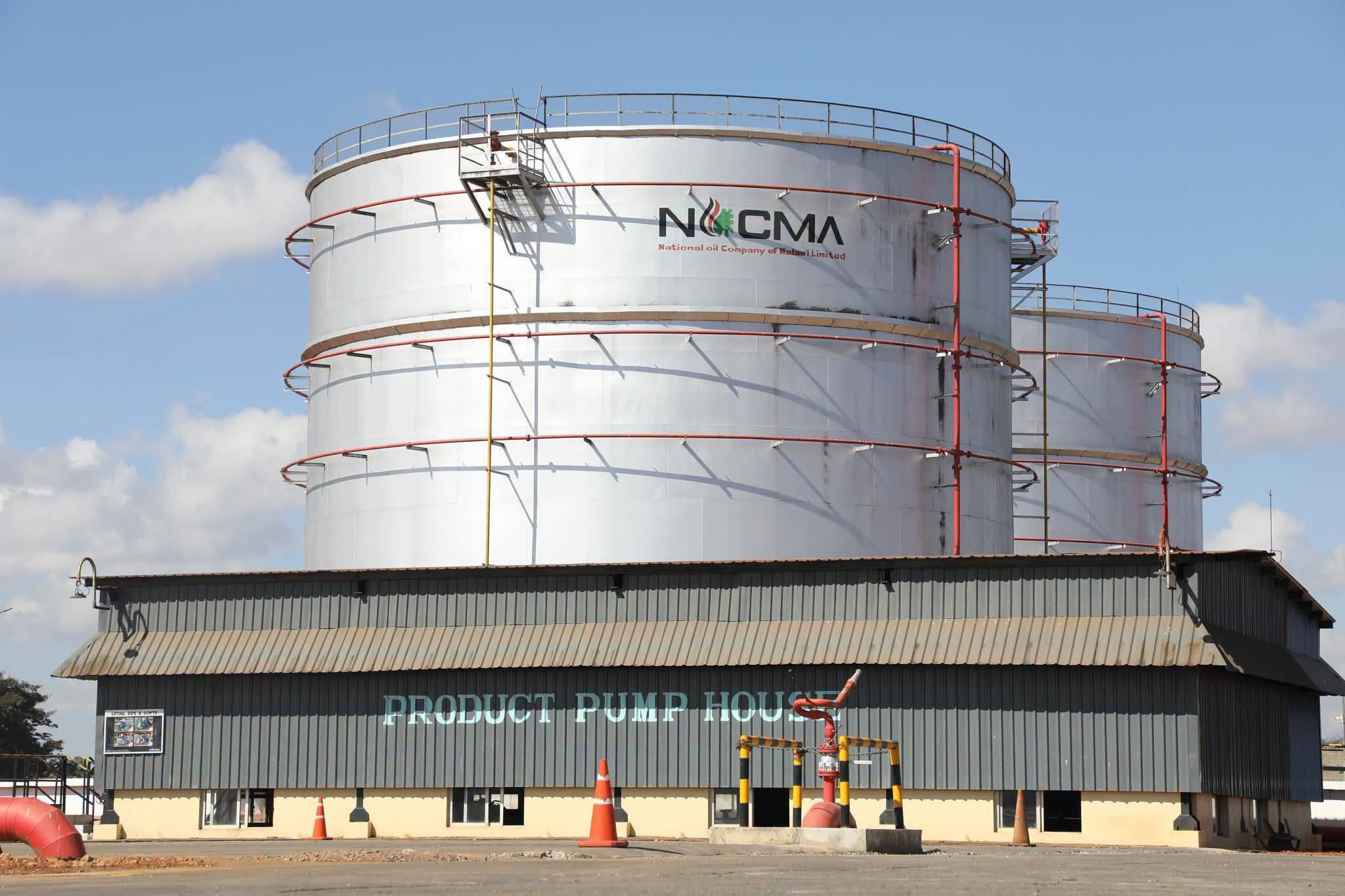
Following an exposure by Cables that approximately US$404,000 in taxpayers’ money had gone missing in a suspected scam, the National Oil Company of Malawi (NOCMA) has confirmed that it is investigating a suspected fraudulent payment involving US$403,605, allegedly diverted through fraudulent banking instructions linked to Mozhandling Limited.
In a statement, NOCMA said it is cooperating with the Malawi Police Service, its bankers and other relevant financial institutions, including Bank of America, to trace and investigate the payment.
The amount in question, US$403,605 approximately K700,658,280 relates to outstanding payments allegedly due to Mozhandling Limited for services connected to the handling and movement of petroleum products through the Port of Nacala in Mozambique.
The disputed transactions reportedly cover the period between 13 August 2025 and January 2026.
Mozhandling Was Engaged Under New Fuel Procurement Arrangements
NOCMA explained that following the Government’s decision in November 2024 to transition from the Open Tender System (OTS) to a Government-to-Government (G2G) fuel procurement arrangement, the company was assigned a central role in the importation of petroleum products.
According to NOCMA, the new arrangement required the establishment of additional logistical services, including shipping, clearing, port handling and transportation.
“The new arrangement required the establishment of additional shipping, clearing, port handling, transportation and other logistical arrangements to support the movement of fuel into Malawi and Mozhandling Limited was engaged to provide shipping and clearing related services in connection with these operations,” reads part of the statement.
NOCMA said that after making an initial payment to Mozhandling Limited, an outstanding balance of US$403,605 remained payable.
The company said it subsequently received several email communications from Ms Patricia Maria, described as an employee of Mozhandling, who was following up on the outstanding payment on behalf of the company.
However, according to NOCMA, the matter took a suspicious turn in March 2026, when it received further communication purporting to be from the same Ms Maria.
The communication allegedly advised NOCMA that Mozhandling’s banking arrangements had changed and provided new account details at Bank of America.
Acting on the banking instructions it had received, NOCMA instructed its bankers, National Bank of Malawi, to process the payment.
The payment of US$403,605 was effected on 29 April 2026.
But approximately two weeks later, NOCMA said Ms Maria contacted the company again to follow up on the same outstanding payment.
It was then that NOCMA informed her that the money had already been paid.
The development raised questions over whether the email communication directing NOCMA to change the banking details had been fraudulent and whether the public funds had been transferred into an account not belonging to Mozhandling Limited.
NOCMA says the matter is now being pursued by the Malawi Police Service, while the relevant banks are undertaking follow-up actions in an attempt to trace the funds and establish how the alleged fraud occurred.
The confirmation by NOCMA follows earlier reporting by Malawi Cables, which raised alarm over the disappearance of approximately US$404,000 in public funds connected to fuel logistics arrangements involving Mozhandling.
The latest development is likely to raise further questions about the verification procedures used before public funds are transferred, particularly where a supplier suddenly changes banking details through email communication.
It also remains unclear whether the alleged fraudulent instructions were subjected to independent verification directly with Mozhandling before the payment was authorised and processed.
With nearly K701 million of taxpayers’ money now at the centre of the investigation, Malawians will be watching closely to see whether the funds can be recovered and whether anyone will be held accountable for the apparent breakdown in payment verification controls.
About the Author