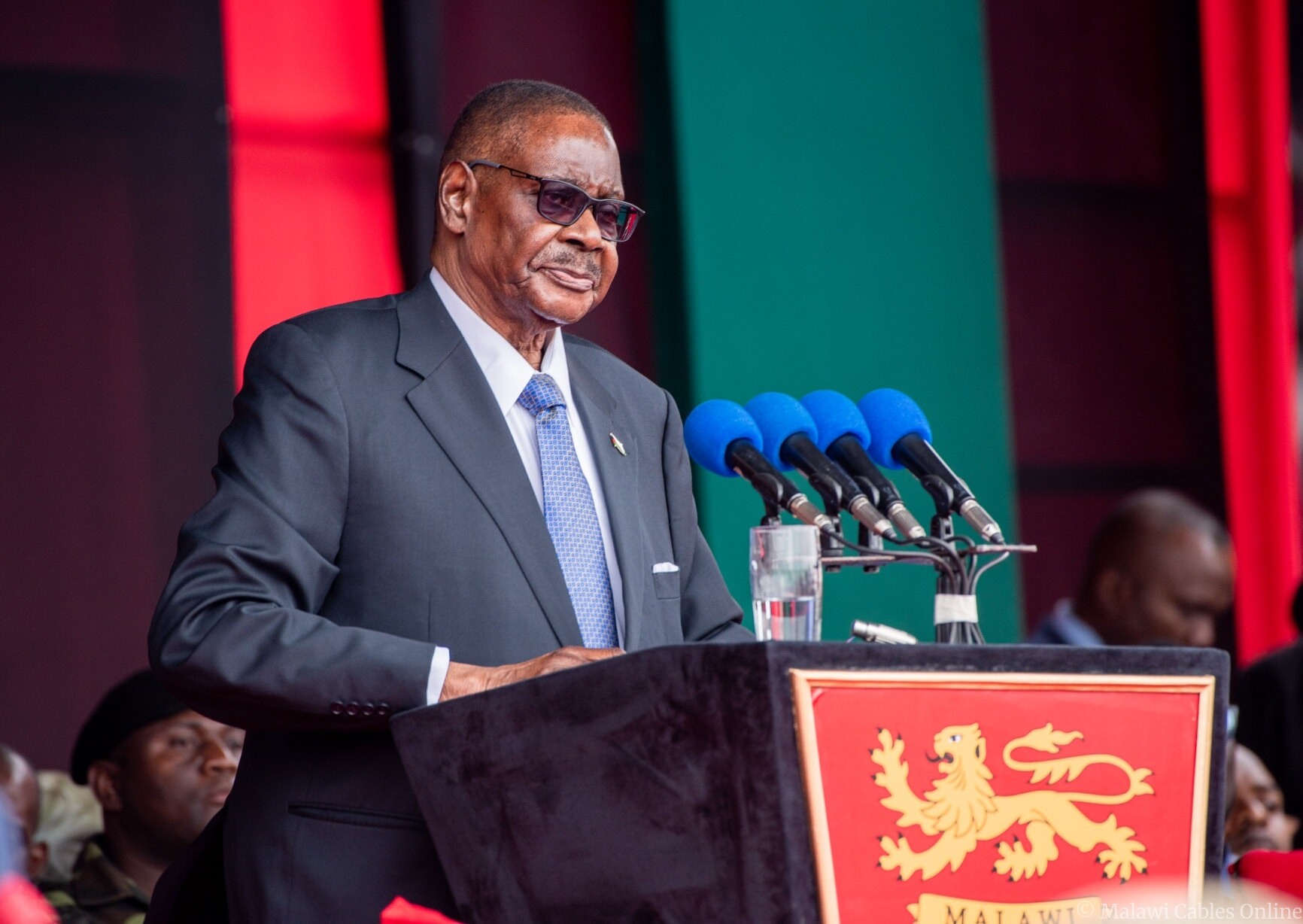
The introduction of free secondary school education, together with the abolition of examination fees and other charges previously paid by parents in primary schools, by President Arthur Peter Mutharika’s administration has played an important role in expanding access to education for Malawian children.
For many families, the removal of examination fees and secondary school fees has eased some of the financial barriers that previously made it difficult for children to progress through the education system.
For the first time, thousands of primary school learners sat for their examinations without their parents having to pay examination fees. Those who successfully completed the Primary School Leaving Certificate of Education (PSLCE) now have a greater opportunity to proceed to secondary school without families having to shoulder the burden of tuition fees.
This could also be contributing to increased motivation among learners. Knowing that a good performance in the PSLCE can secure a place in secondary school, without the additional burden of school fees, gives many students an even greater incentive to work hard and pursue their education.
The latest results released by the Malawi National Examinations Board (MANEB) provide an encouraging picture.
According to the 2026 results, 198,903 out of 245,048 candidates passed the PSLCE. Boys recorded a pass rate of 85.69 percent, while girls recorded 76.94 percent.
In the Junior Certificate of Education (JCE), 125,777 out of 154,880 candidates passed. Internal candidates recorded a pass rate of 89.19 percent, while external candidates recorded 62.62 percent.
These results should be viewed in the broader context of efforts to make education more accessible to ordinary Malawians.
During the run to 2025 Presidential elections, Mutharika promised Malawians that his government will abolish fees in primary and secondary schools as well as implementing a free secondary education. The policy came into effect in January 2026.
While examination performance is influenced by many factors including the quality of teaching, availability of learning materials, parental support, school infrastructure and the commitment of learners removing financial barriers is an important step towards ensuring that more children remain in school and have an opportunity to progress.
The APM administration therefore deserves recognition for policies aimed at widening access to education and reducing the financial burden on parents.
However, the work does not end with free education. The bigger challenge now is to ensure that increased access is matched by adequate classrooms, qualified teachers, learning materials, proper sanitation and other essential resources so that free education also becomes quality education.
Free education opens the door; quality education determines how far our children can go.
Kudos to the APM administration.
About the Author