Screenshot
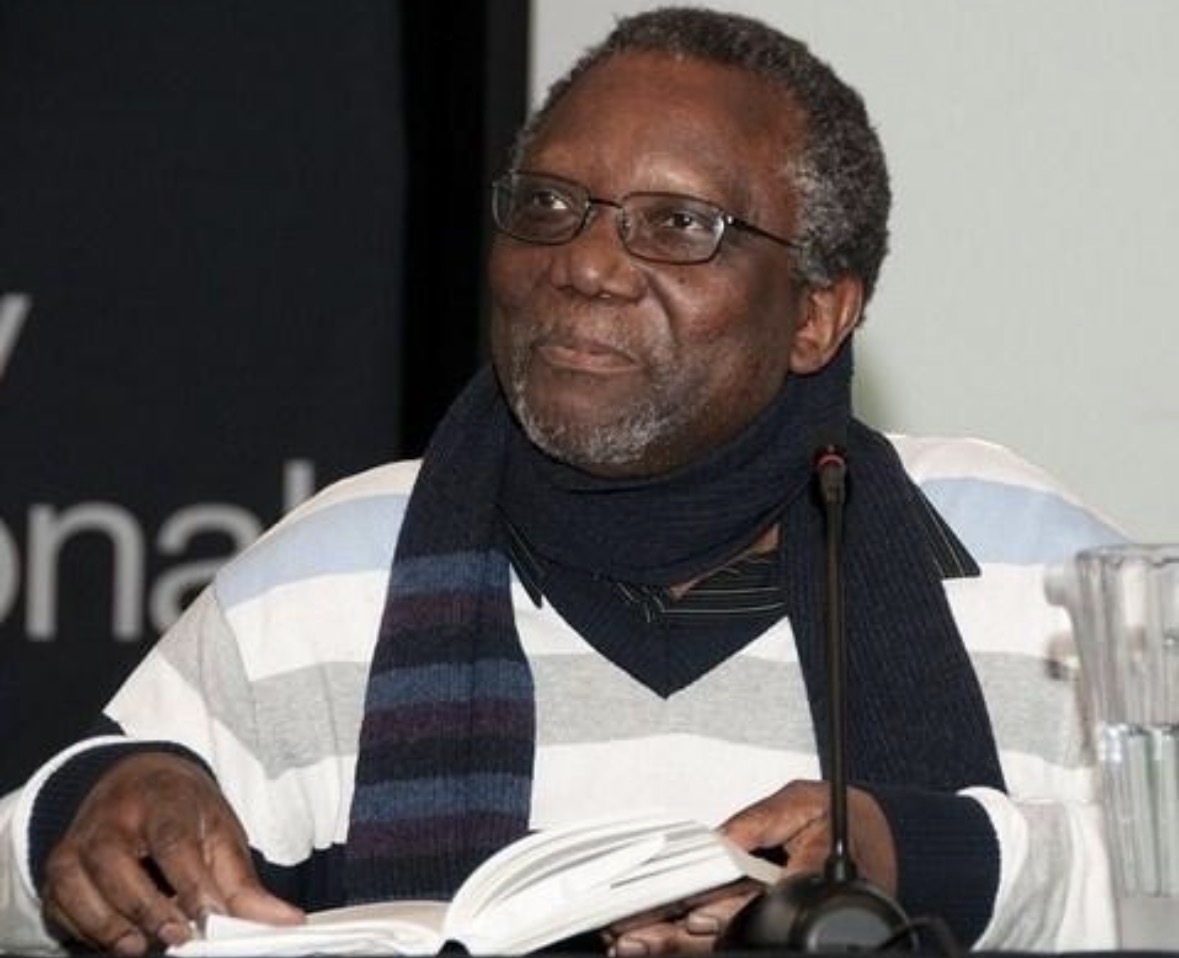
Malawi is mourning the death of one of its most distinguished literary figures, Professor Jack Mapanje, an internationally acclaimed poet, academic, linguist and human rights advocate whose writings challenged political repression and championed freedom of expression.
Mapanje died in the United Kingdom on Wednesday, November 4, 2026, aged 82, following an illness.
His death was confirmed by his family, marking the end of an extraordinary life that left an enduring imprint on Malawi’s literary, academic and political history. 
His passing has attracted tributes from across the literary community, with President Professor Arthur Peter Mutharika and the First Lady expressing their sadness, describing him as a distinguished academic and iconic writer whose courage and commitment to justice should inspire future generations.
Born on March 25, 1944, in Kadango Village, Mangochi District, Mapanje grew up to become one of Africa’s most respected literary voices.
His academic journey took him through the University of Malawi and institutions in the United Kingdom, including the University of London and University College London, where he pursued advanced studies in English, education and linguistics.
In 1975, he returned to Malawi and joined Chancellor College, University of Malawi, as a lecturer in English. He eventually rose to become Head of the Department of English.
Beyond teaching, he was an important figure in the development of Malawi’s literary community and was among the founding members of the Malawi Writers Group, established in 1970. 
His courage came at a heavy price
Perhaps the most defining chapter of Mapanje’s life was his confrontation with the authoritarian government of former president Hastings Kamuzu Banda.
In 1981, he published his first poetry collection, Of Chameleons and Gods, a powerful literary work that used satire, symbolism and indirect political commentary to examine authority, power and the political environment in Malawi.
The book was subsequently withdrawn from circulation in Malawi, and in September 1987, Mapanje was arrested and detained without charge at the notorious Mikuyu Prison.
He spent approximately three years and seven months behind bars, finally securing his release in May 1991 following sustained international pressure.
His imprisonment attracted the attention of international human rights organisations, writers and literary institutions. Amnesty International campaigned for his release, while prominent international literary figures joined calls for his freedom.
Even behind prison walls, Mapanje continued writing, transforming his experience of detention into literature that would later reach international audiences.
Following his release from prison in 1991, Mapanje eventually settled in the United Kingdom, where he continued his literary and academic work.
He held various academic and literary positions, including an honorary visiting professorial fellowship at the University of Leeds and a residency at the Wordsworth Trust.
He also dedicated time to teaching creative writing, including working with prisoners, while continuing to publish and promote African literature.
His experience of imprisonment and exile became central themes in his writing, giving his work a distinctive international appeal.
As the nation reflects on his contribution, his books remain a lasting reminder that although a writer may die, the ideas and truths carried through their words can outlive generations.
May the soul of Professor Jack Mapanje rest in eternal peace.
Malawi has lost a literary giant. Africa has lost a powerful voice. The world has lost a courageous defender of freedom through the written word.
About the Author