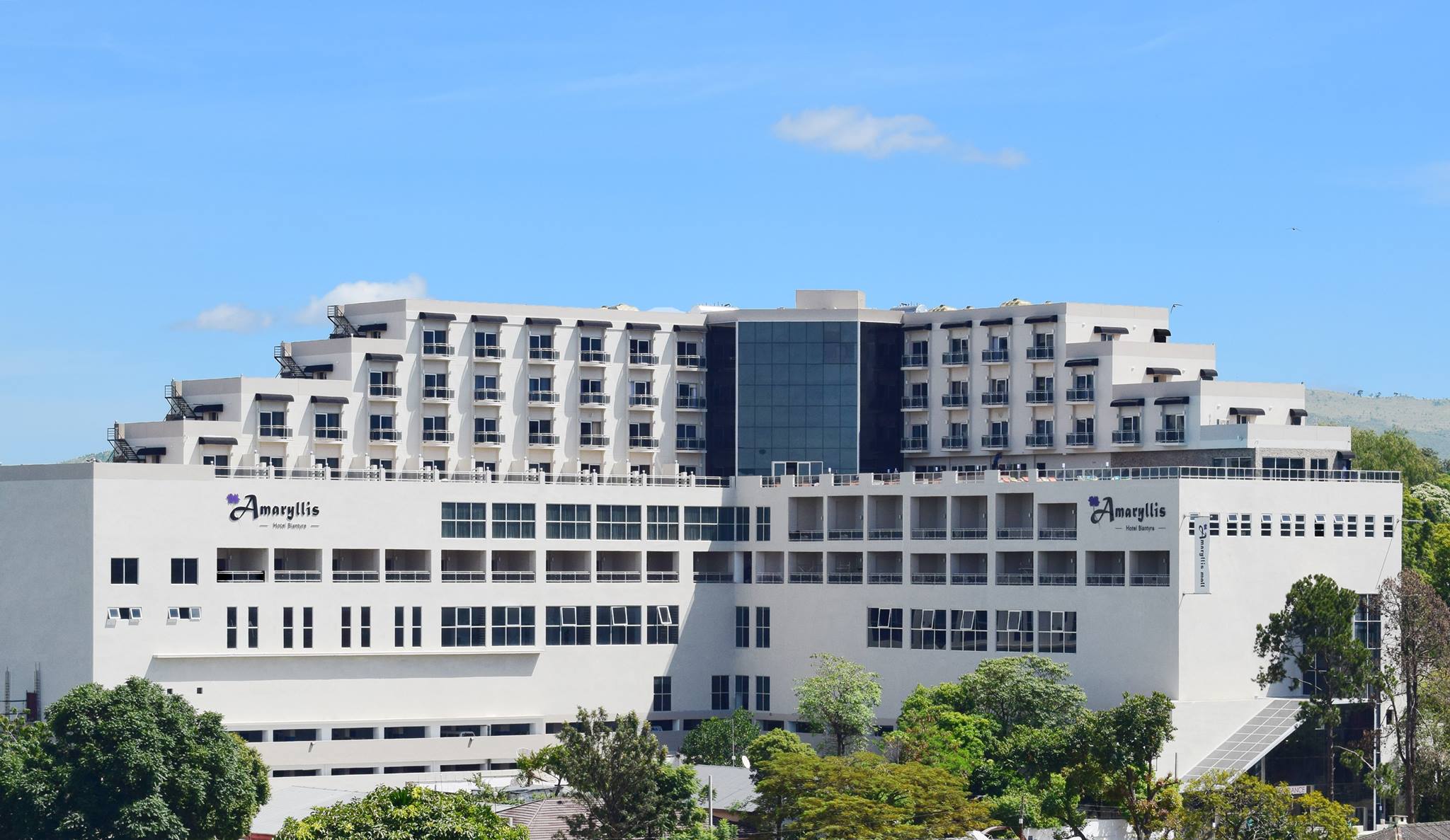
The question of where billions of kwacha linked to the controversial Amaryllis Hotel transaction went has gained renewed significance after the High Court ordered that funds belonging to Yusuf Investments Limited remain restricted while investigations continue.
The latest ruling by High Court Financial Crimes Division Judge Redson Kapindu means that the funds cannot simply be released while the Anti-Corruption Bureau (ACB) and Financial Intelligence Authority (FIA) continue examining the hotel sale and related financial transactions.
The development comes amid growing scrutiny of the money trail surrounding the sale of Amaryllis Hotel to the Public Service Pension Trust Fund (PSPTF) for approximately K128.7 billion.
Court documents show that K90.125 billion was paid to Amaryllis Hotel between January 12 and 22, 2026, as proceeds from the transaction.
Investigators further traced K20.15 billion transferred from Amaryllis Hotel to a Yusuf Investments account at National Bank of Malawi through three separate transactions. The same court reporting states that more than K1.089 billion was subsequently withdrawn through a series of cheques.
That money trail raises a central question:
WHERE IS THE MK 5 BILLION?
The whereabouts and movement of millions and potentially billions of kwacha connected to the transaction remain a subject of investigation.
The High Court has now indicated that there are substantial and unexplained movements of money linked to the transaction which require further investigation.
Justice Kapindu held that releasing the restricted funds could expose them to the risk of being dissipated before the investigations are completed.
The latest ruling also comes after a legal battle over the authority of the investigative agencies to maintain restrictions.
The court set aside fresh freezing directives issued by the FIA, holding that the authority should have sought court approval after the magistrate’s court declined to renew the ACB’s restriction.
At the same time, Justice Kapindu made the ACB’s restriction notice, which had initially been renewed temporarily on 8 July 2026, final, ensuring that the relevant funds remain protected while the investigation proceeds.
The court has also directed the ACB and FIA to work together in pursuing the financial investigation, while ensuring that their actions comply with the law and remain subject to judicial oversight.
This is not the first time the courts have intervened in the Amaryllis money trail.
In May, the High Court maintained restrictions on four accounts linked to the transaction while allowing two operational accounts to be accessed so that the hotel could continue operating. The court said investigative agencies have a duty to pursue suspected illicit funds but must also avoid unnecessarily crippling legitimate business operations.
The controversy surrounding the transaction extends beyond the restricted bank accounts.
With billions of kwacha having moved through accounts associated with the transaction, investigators are now expected to establish who received the money, why it was transferred, where it ultimately went, and whether any of the transactions breached Malawi’s financial crime and anti-corruption laws.
For now, the courts have made one thing clear:
The money will remain restricted until the investigative process has progressed sufficiently for the courts to determine what should happen next but the question remains;
Where is the matter that was already withdrawn?
About the Author