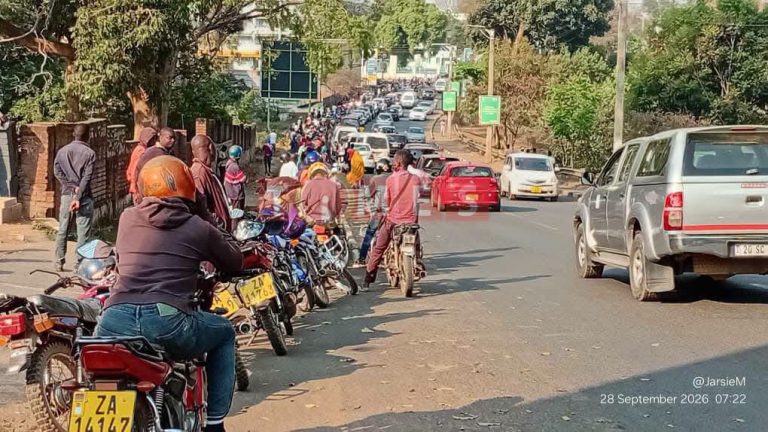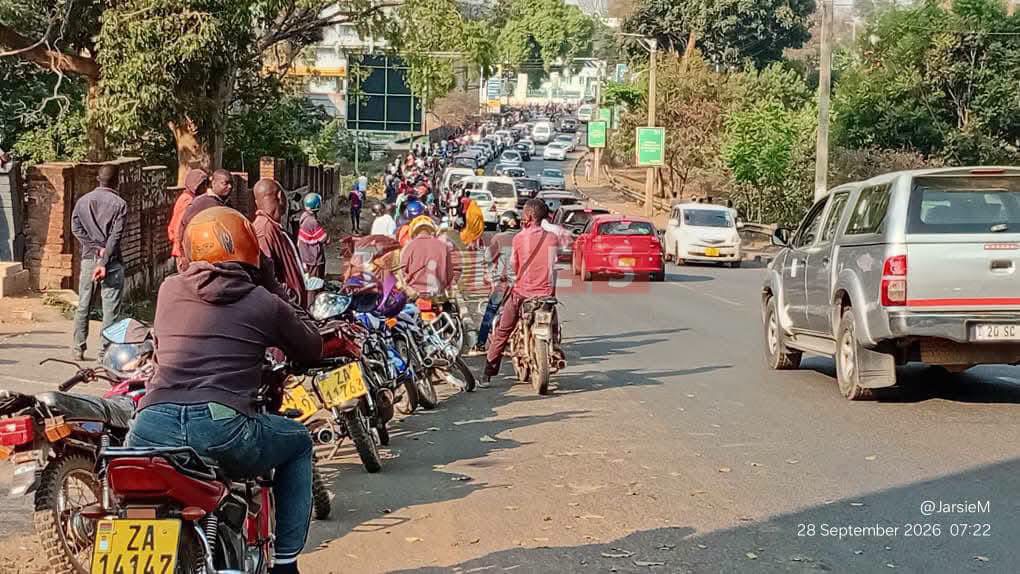
Malawi is once again experiencing fuel shortages, with motorists in parts of the country spending hours in queues in search of fuel, a development likely to add further pressure to an already challenging cost-of-living environment.
The latest shortages come at a time when Malawians have been told that the economy is beginning to stabilise and that conditions will gradually improve for ordinary citizens.
However, the return of fuel queues is raising questions about how quickly that economic recovery is translating into improvements in the day-to-day availability of essential commodities.
Recent reports indicate that the latest disruption has been particularly severe for diesel, with filling stations in Lilongwe reportedly running out of the product while petrol remained available at some stations.
Motorists and truck operators have reportedly been forced to spend hours searching for stations with diesel stocks.
The Malawi Energy Regulatory Authority (MERA) has acknowledged recent fuel stock-outs. The regulator attributed the situation partly to foreign-exchange constraints and financing gaps, as well as logistical challenges affecting the distribution and delivery of fuel. MERA says fuel importation is continuing and that the supply gaps are expected to gradually ease.
The latest disruption is particularly significant because diesel is central to Malawi’s economy, powering public transport, trucks, agricultural machinery, generators and other commercial activities.
Any prolonged disruption therefore risks increasing transportation and production costs, with potential knock-on effects on the prices of food and other goods and services.
The World Bank’s latest Malawi Economic Monitor, released on September 23, also paints a more complicated picture of the country’s economic recovery. While acknowledging some signs of adjustment, the Bank says Malawi continues to face foreign-exchange shortages, elevated inflation, weak domestic supply chains and other structural constraints that are limiting economic activity and improvements in living standards.
It also notes that fuel and fertiliser imports are contributing to the country’s widening trade deficit.
Meanwhile, Malawi’s fuel import bill reportedly increased by 84 percent to US$343.1 million in the second quarter of 2026, highlighting the substantial foreign-exchange burden associated with securing petroleum products for the country.
For ordinary Malawians, however, the economic debate is ultimately being measured at the filling station.
An economy cannot easily be described as fully stabilised when motorists are once again spending hours in fuel queues and businesses face uncertainty over access to a commodity that underpins transportation, agriculture and trade.
The latest fuel crisis therefore presents another important test of whether the reported macroeconomic improvements are beginning to translate into reliable supplies and better economic conditions for ordinary Malawians.
About the Author