When a story about forgiveness became a story about censorship
The most revealing part of this story is not the MK47 million vault theft.
It is not the conviction.
It is not even the restorative justice meeting that brought a former offender and his former employer together in the spirit of reconciliation.
The real story began after Tiyeni Malawians published its report.
Within hours, NBS Bank’s Acting Head of Human Resources, Chenjerani Kanyinji, contacted the publication with a request that would shift the focus from restorative justice to a much larger question about transparency, public interest reporting and the limits of institutional influence over the media.
On July 12, 2026, Tiyeni Malawians received an email from Kanyinji requesting that the article be removed.
He wrote:
“Dear Admin,
This is Chenjerani Kanyinji from NBS Bank; the Malawi Prison Service posted the story without our permission and accordingly they have taken the same down from their Official Page upon being asked to do so.
We humbly ask you do take it down on urgent basis.”
Those four words—“on urgent basis”—raised an important question.
Why should a story documenting a restorative justice programme be taken down?
The article did not accuse NBS Bank of any new wrongdoing.
It simply reported on a reconciliation process involving the bank and a former employee who had served his sentence after being convicted in connection with the theft of approximately MK47 million from the bank’s vault.
Rather than viewing the story as an attack on the institution, Tiyeni Malawians viewed it as an opportunity to examine a broader issue facing society.
Can someone who has committed a crime, accepted responsibility and served a sentence ever be given a genuine second chance?
The former employee, Gift Nafere, became part of the Malawi Prisons Service Restorative Justice programme several years after his conviction.
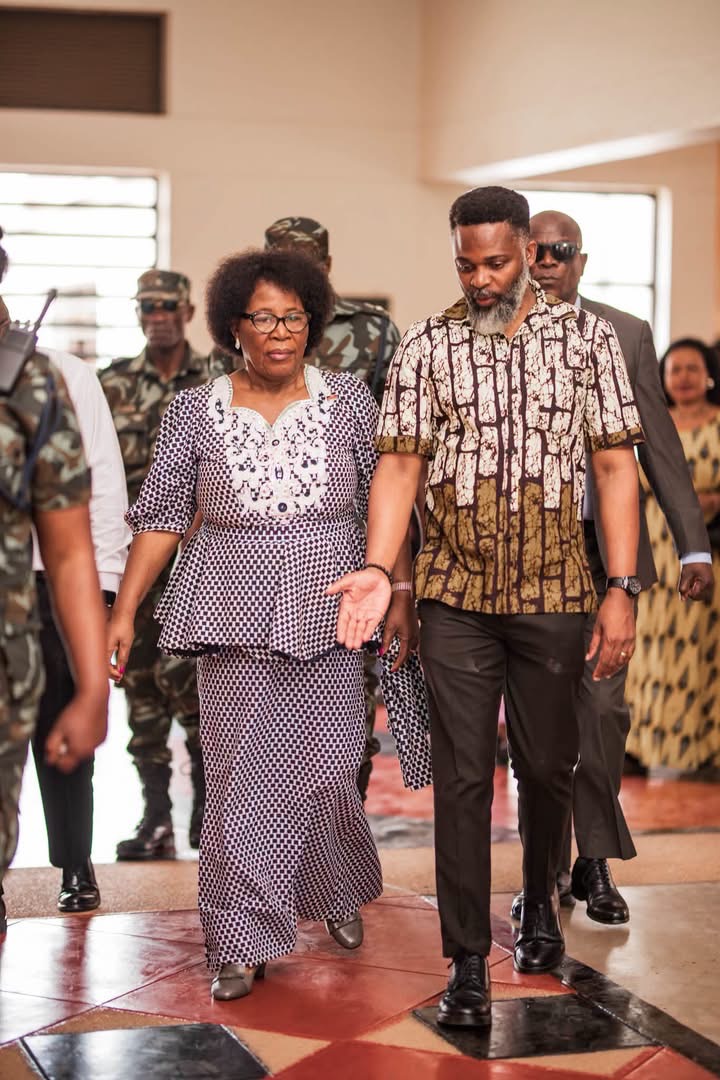
On July 9, 2026, a Victim-Offender Reconciliation session was held at NBS Bank’s Limbe Branch.
The objective of the programme was not to erase history.
It was to acknowledge the harm caused, promote accountability and create an opportunity for healing between victims and offenders.
Importantly, NBS Bank was not a bystander.
The institution participated in the reconciliation process.
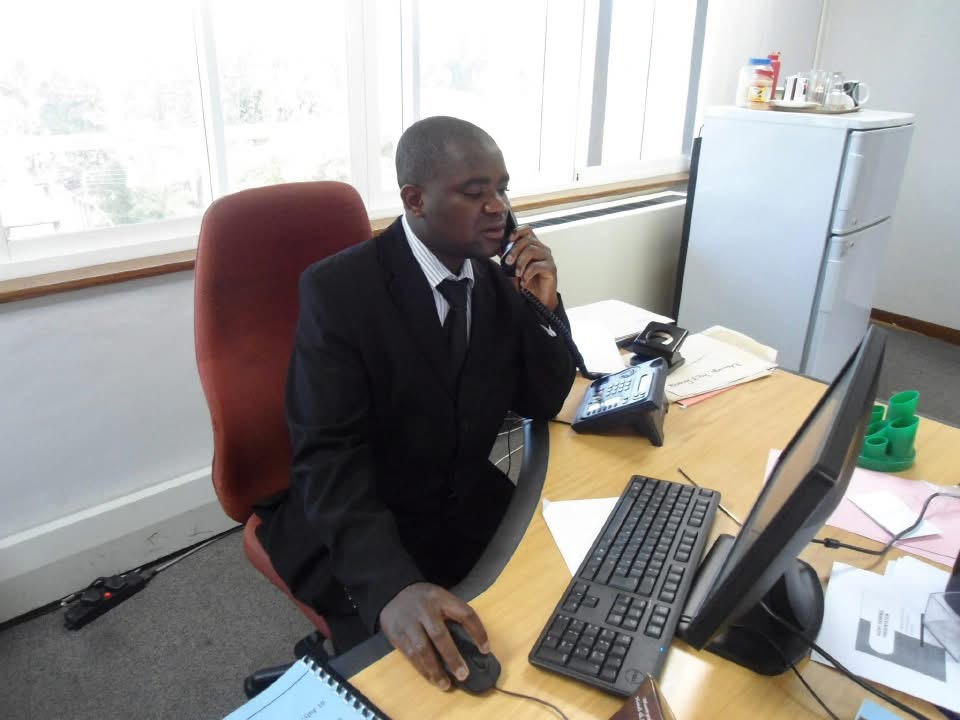
The meeting took place at its Limbe Branch, and Acting Head of Human Resources Chenjerani Kanyinji attended as the bank’s representative.
If the reconciliation process was significant enough for the bank to participate in, it raises a legitimate question: why should the public be prevented from knowing that it happened?
After Tiyeni Malawians sought clarification on the request to remove the story, Kanyinji responded:
“Dear Tiyeni Malawi,
Read my email properly. The news was posted without permission by the Malawi Prison Service and immediately after reaching out to them they have taken it down. I am asking your office to do the same.”
At that stage, the reason given for removing the article was that it had allegedly been published without NBS Bank’s permission.
However, a subsequent email introduced a different concern.
Kanyinji wrote:
“Dear Tiyeni,
As someone who was attending this meeting, and I put it to you that some statements in the story are not factually correct.
Please be guided accordingly.”
The explanation had shifted.
The discussion was no longer about permission to publish.
It had become a question of factual accuracy.
Tiyeni Malawians responded by requesting that the alleged inaccuracies be identified.
The publication also asked whether Kanyinji’s comments reflected his personal opinion as an attendee or the official position of NBS Bank.
At the time of publication, no specific statements had been identified as inaccurate.
This development transformed what had begun as a story about restorative justice into a broader conversation about public interest journalism.
Every institution has a legitimate interest in protecting its reputation.
Equally, the media has a responsibility to report matters of public interest accurately and fairly.
The MK47 million vault case happened.
The court proceedings happened.
The restorative justice meeting happened.
These are matters of public record.
If any part of our reporting is shown to be factually incorrect, Tiyeni Malawians remains prepared to publish corrections based on verifiable evidence.
However, requests to remove an article without identifying the alleged inaccuracies raise important questions about transparency, accountability and the public’s right to information.
In the end, this story is no longer just about one bank, one former employee or one reconciliation meeting.
It is about a principle.
Should organisations decide which truthful, newsworthy events the public is allowed to read about, or should that decision rest with an independent press acting responsibly in the public interest?
That is the question this story now asks.
About the Author