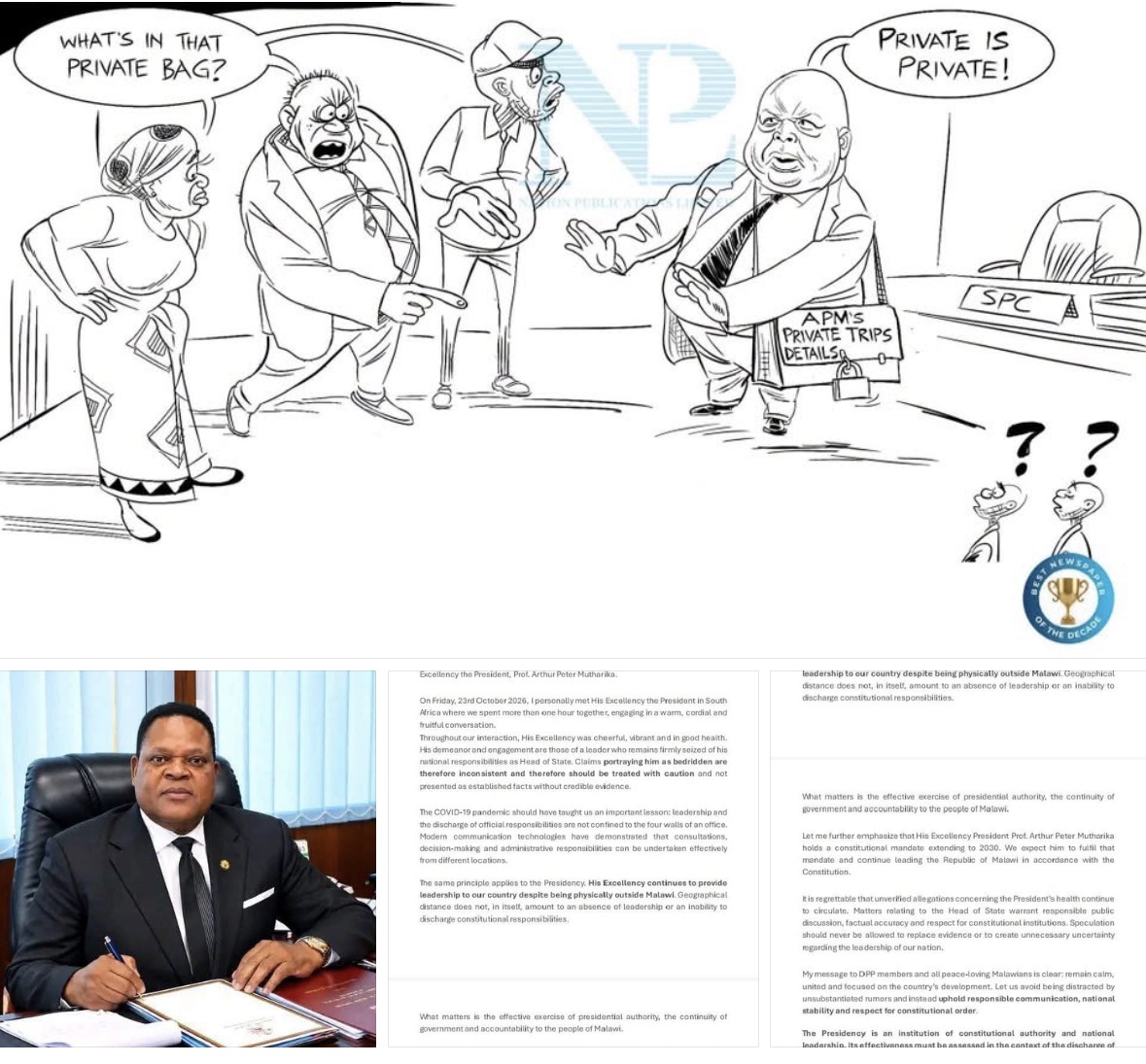
Screenshot
The statement by Democratic Progressive Party (DPP) Secretary General Peter Mukhito, assuring Malawians that President Arthur Peter Mutharika is in robust health after meeting him in South Africa, appears to have failed to achieve its intended purpose.
Rather than putting public concerns to rest, the statement risks raising even more questions about the President’s prolonged absence, the government’s communication strategy and the distinction between private presidential affairs and public accountability.
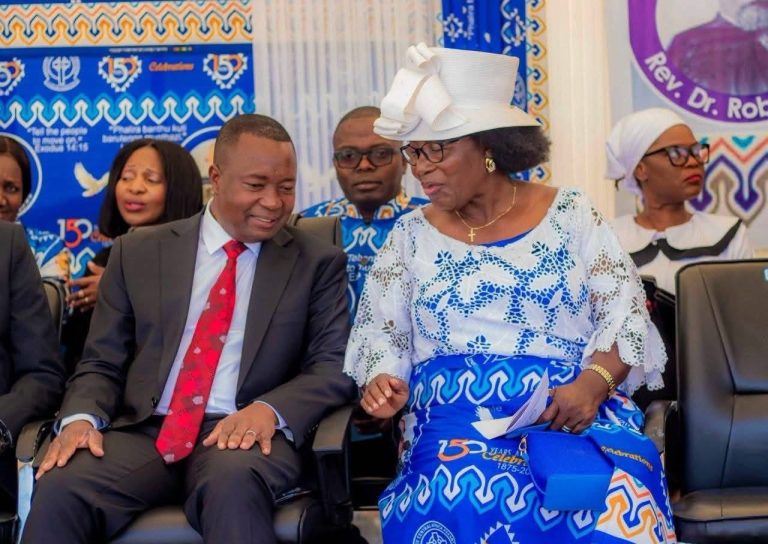
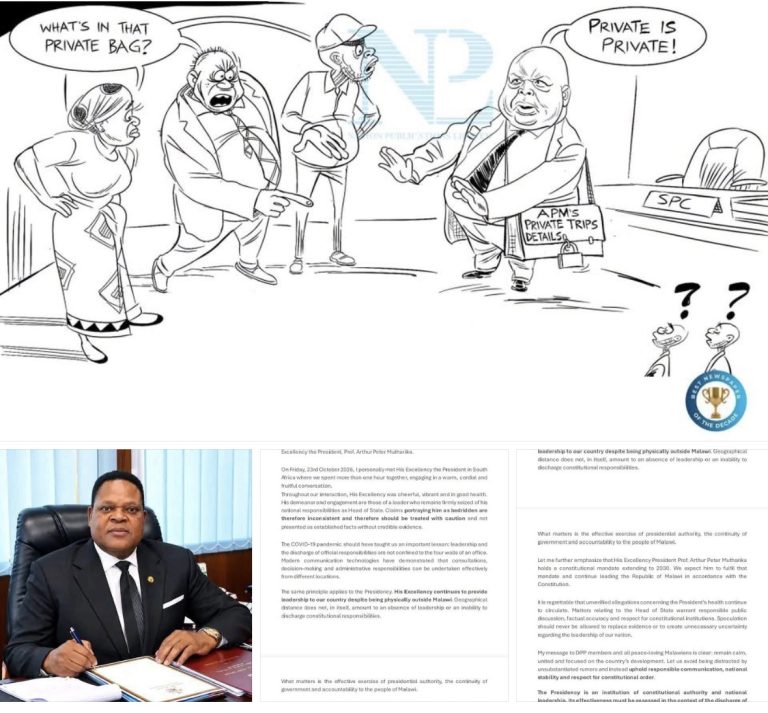
Mukhito said he met Mutharika on Friday, 23 October 2026, and spent more than an hour with him. He described the President as cheerful, vibrant and in good health, adding that physical absence from Malawi does not automatically mean a leader cannot discharge presidential responsibilities.
While the statement may reassure DPP loyalists, the wider questions facing the presidency remain unanswered as follows :
- Why is the DPP Secretary General taking the lead in a matter that requires official government communication?
Mukhito is entitled to speak as a senior official of the governing party. However, a party statement is not a substitute for communication from the Office of the President and Cabinet or the government spokesperson responsible for providing authoritative information on state affairs.
The public needs more than political reassurance. It needs clarity on how government business is being managed, what arrangements are in place during the President’s absence and whether public resources are being used to support a trip described as private.
- Mukhito’s statement raises questions about the government’s own position on presidential privacy.
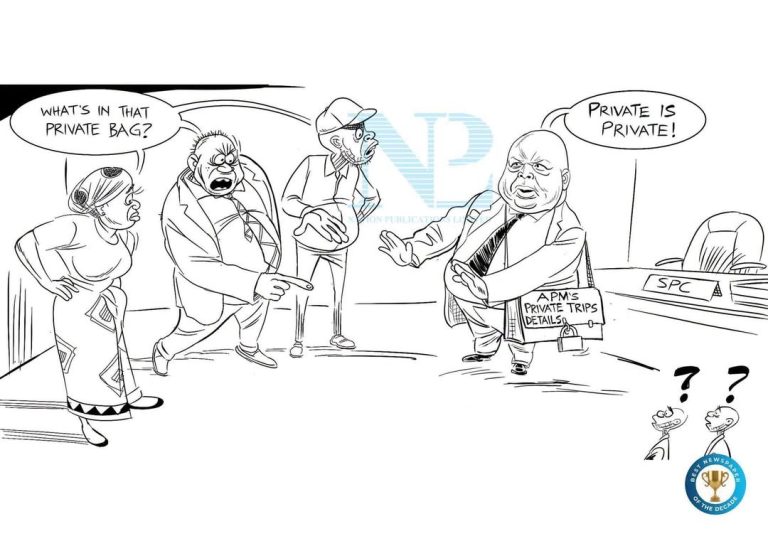
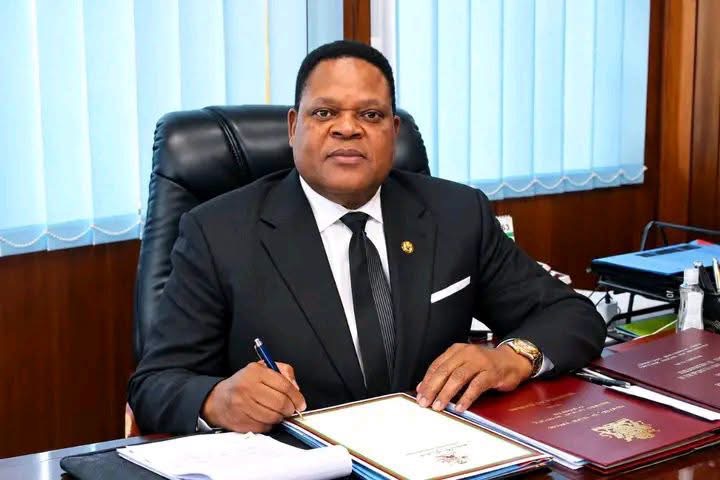
Chief Secretary to the President and Cabinet Justin Saidi previously insisted that the President’s private travels were not a matter for public disclosure, famously maintaining that “private is private”.
Yet Mukhito has now publicly disclosed that he travelled to South Africa and met the President during that private visit.
There is no contradiction in principle between respecting privacy and acknowledging a meeting. However, the development raises an important question: if the President’s whereabouts and private arrangements are not for public discussion, why has the governing party chosen to disclose some details while leaving other fundamental questions unanswered?
The government cannot expect the public to accept secrecy as a complete answer while offering selective disclosures when political pressure mounts.
- Why was the meeting necessary in South Africa?
If the purpose was to discuss party affairs, political strategy or other matters that did not require physical presence, could some of the discussions have been conducted through a video call?
This question becomes particularly relevant given the government’s emphasis on austerity measures. Malawians deserve clarity on whether Mukhito’s travel and any associated costs were privately funded or supported by public resources.
There is no evidence in the public information reviewed that establishes who paid for the visit. Nevertheless, the question is legitimate and can be answered without intruding into the President’s personal life.
- ,The statement does not explain why the President has remained abroad for so long.
Mutharika left Malawi on 6 October 2026 for what the government described as a private visit to South Africa. In its statement of 23 October, the government acknowledged that the trip had taken longer than usual but did not provide a definite return date.
Mukhito’s subsequent reassurance that the President was in good health did not resolve that uncertainty.
Malawians are entitled to ask when their President is expected to return and what arrangements are in place to ensure effective leadership in the meantime. These questions do not automatically imply that the President is unwell or incapable of performing his duties.
They are questions about the operation of the highest office in the land.
- Mutharika being in good health and being available to govern are two different questions.
Mukhito says the President was cheerful and vibrant during their meeting. That is his personal account of the encounter, and it should be distinguished from an independent medical assessment or a comprehensive account of the President’s official activities.
Even accepting Mukhito’s description, the meeting alone does not establish how frequently the President is receiving official briefings, how urgent decisions are being handled or how effectively government business is being coordinated.
The issue is not whether the President must be physically present in Malawi every day. Modern technology allows leaders to communicate and make decisions remotely.
The issue is whether the public has sufficient information to understand how the presidency is functioning during an extended absence.
- The statement fails to address the concerns of Malawians struggling with a national economic crisis.
At a time when citizens are dealing with fuel shortages, foreign-exchange difficulties, electricity disruptions and shortages of medicines in public hospitals, presidential leadership and effective government coordination are especially important.
People want to know who is addressing these challenges, how decisions are being made and what measures are being implemented to ease their suffering.
A statement about the President’s health may address one aspect of public concern, but it does not explain how the administration is responding to the country’s pressing problems.
The presidency cannot expect a health assurance to answer questions about economic management and public service delivery.
- The communication strategy risks turning a manageable issue into a prolonged political controversy.
The sequence of official statements and subsequent party reassurance suggests that the authorities have struggled to provide a single, consistent explanation that answers the public’s central questions.
When information is limited, speculation tends to flourish. The answer is not necessarily to disclose private medical details, but to provide clear and consistent information about matters of legitimate public interest.
A brief update on the President’s availability, arrangements for official duties and the funding of private travel where public resources are involved could help restore confidence without compromising personal privacy or national security.
Ultimately, the question is whether Mukhito’s statement has protected the President’s image or exposed weaknesses in the government’s communication strategy.
The intention may have been to reassure Malawians and defend Mutharika against speculation about his health.
But reassurance without answers to the wider questions may leave the public no better informed than before.
Mutharika’s presidency should not be reduced to a debate about rumours. It should be judged by the effectiveness of its institutions, the transparency of its public administration and its ability to respond to the needs of Malawians.
The President has a right to privacy. The DPP has a right to defend its leader. But neither principle removes the government’s responsibility to explain how public business is being conducted and how public resources are being used.
Mukhito may have intended to close the debate. Instead, his statement risks keeping it alive.He has failed to protect Mutharika but exposed his presidency to more scrutiny with one careless communication from his office .
About the Author