Cables ,
Let’s go back to November 2011 as we want to school Hon Peter Mukhito, the DPP secretary General, the Minister of homeland security and the once respected man who seems to have lost touch now .
Instead of looking far and wide for lessons, Democratic Progressive Party (DPP) Secretary General Hon. Peter Mukhito should have drawn lessons from the party’s own institutional memory.
On October 25, 2011, the then President of Malawi, Bingu wa Mutharika, brother to the incumbent President, and the First Lady, Callista Mutharika, left the country for Perth, Australia, to attend the Commonwealth Heads of Government Meeting (CHOGM).
The summit ended on Monday, October 31, 2011, but Bingu did not return home immediately.
As days passed without his return, rumours exploded in Lilongwe that the President was critically ill, dead or missing.
In his Sunday Times Muckraker column, journalist Raphael Tenthani famously asked, “Where Is My President?”
In an apologetic column, Tenthani described the President’s absence as AWOL—Absent Without Leave—a term commonly associated with desertion from duty in military service.
But how did the DPP government respond to the growing speculation?
A masterpiece that Mukhito should have borrowed a leaf from .
The party’s then Vice President, Hon. Yunus Mussa, and its spokesperson, Dr. Hetherwick Ntaba, wasted no time in organising a press conference at the Central Office of Information (COI).
Using the very technology Hon. Mukhito is now referring to, they called President Bingu wa Mutharika on the telephone.
To demonstrate that the call was not a staged attempt to mislead Malawians, Yunus Mussa put the phone on speaker and allowed the President to speak directly to Dickson Kashoti, who was then working for Blantyre Newspapers Limited (BNL).
Kashoti was there. He witnessed the moment when Bingu spoke directly to those present, helping to counter the rumours surrounding the President’s whereabouts and condition.
The episode offers a lesson in crisis communication: when public anxiety rises and rumours spread, direct communication from the leader can be far more effective than asking citizens to rely on second-hand explanations.
Bingu and Callista eventually returned to Malawi on November 21, 2011.
So, Bwana Mukhito, why look elsewhere for lessons when the history of your own party offers a practical example?
Instead of insisting that the COVID-19 pandemic taught us lessons about leadership communication, why are you seemingly overlooking the institutional memory of the very party you now serve as Secretary General?
The DPP has been through a similar situation before.
Its own leaders understood the importance of letting the President speak directly to the nation, particularly when uncertainty threatened to undermine public confidence.
Why can the same approach not be considered today?
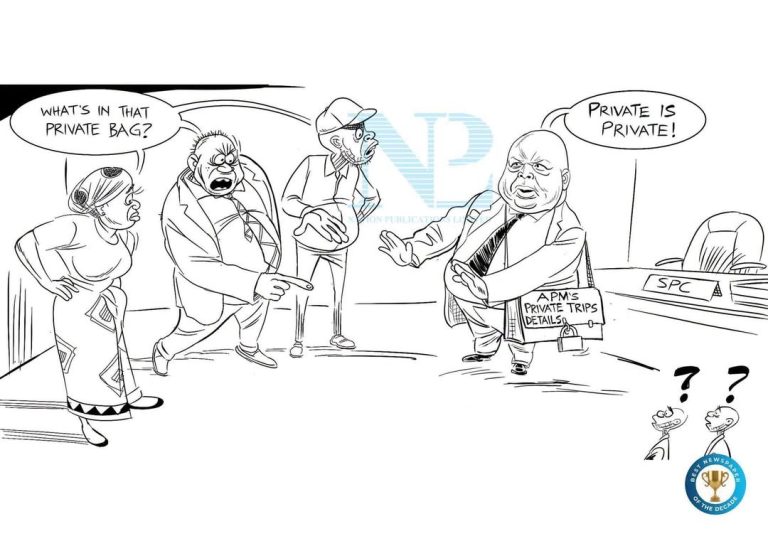
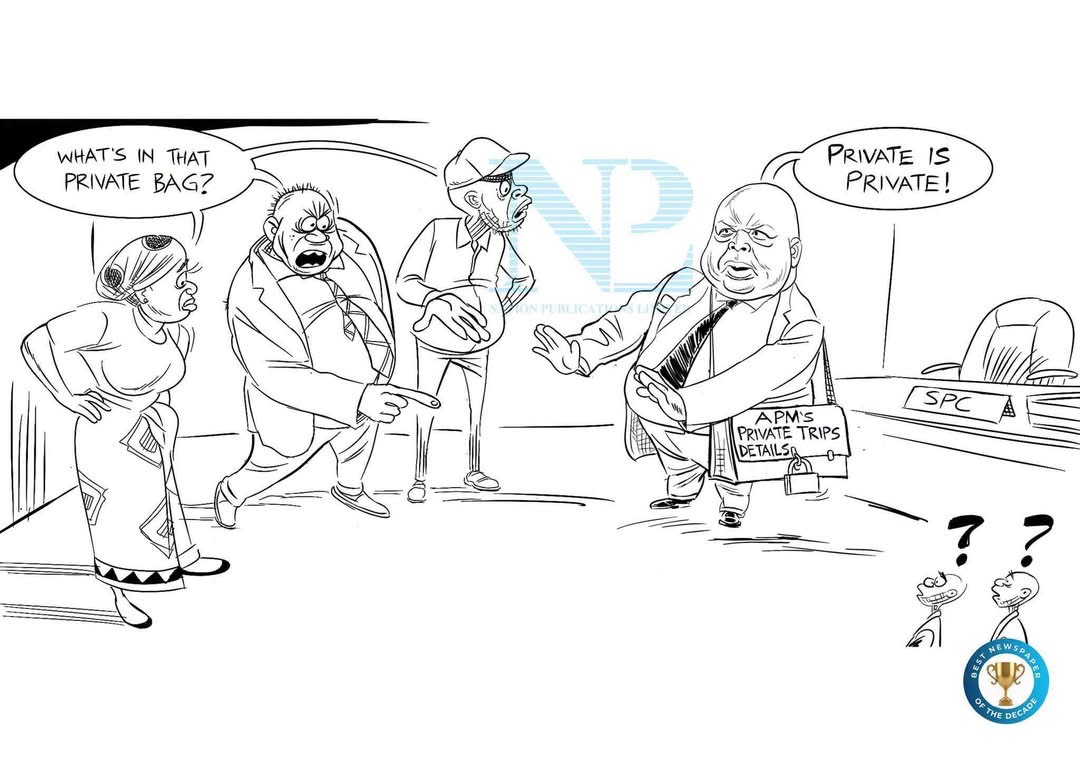
And another question demands an answer: How much have taxpayers spent on your trip to visit President Arthur Peter Mutharika, who is reportedly on a private trip, while the country is grappling with serious economic and governance challenges?
Public expenditure must be justified, especially at a time when Malawians are struggling to secure basic necessities.
Bwana Mukhito, you can run and hide, but you cannot escape public scrutiny.
Perhaps it is time to borrow a leaf from Dr. Ntaba and Hon. Yunus Mussa.
Let President Mutharika speak directly to Malawians, just as his brother did in 2011.
A direct address from the President would help answer questions, ease public anxiety and demonstrate that the country’s leadership understands the concerns of its citizens.
Otherwise, continuing to offer explanations without the President himself addressing the nation risks testing the patience and intelligence of Malawians.
The country is facing mounting challenges. Fuel shortages, foreign exchange constraints, fertilizer concerns, medicine shortages and corruption allegations are weighing heavily on citizens, with many struggling to meet their basic needs.
At such a critical moment, Malawians deserve reassurance, clarity and accountability from their leadership.
Let the President speak to the nation. Malawians deserve to hear directly from their leader, not merely be asked to believe what others say on his behalf.
About the Author