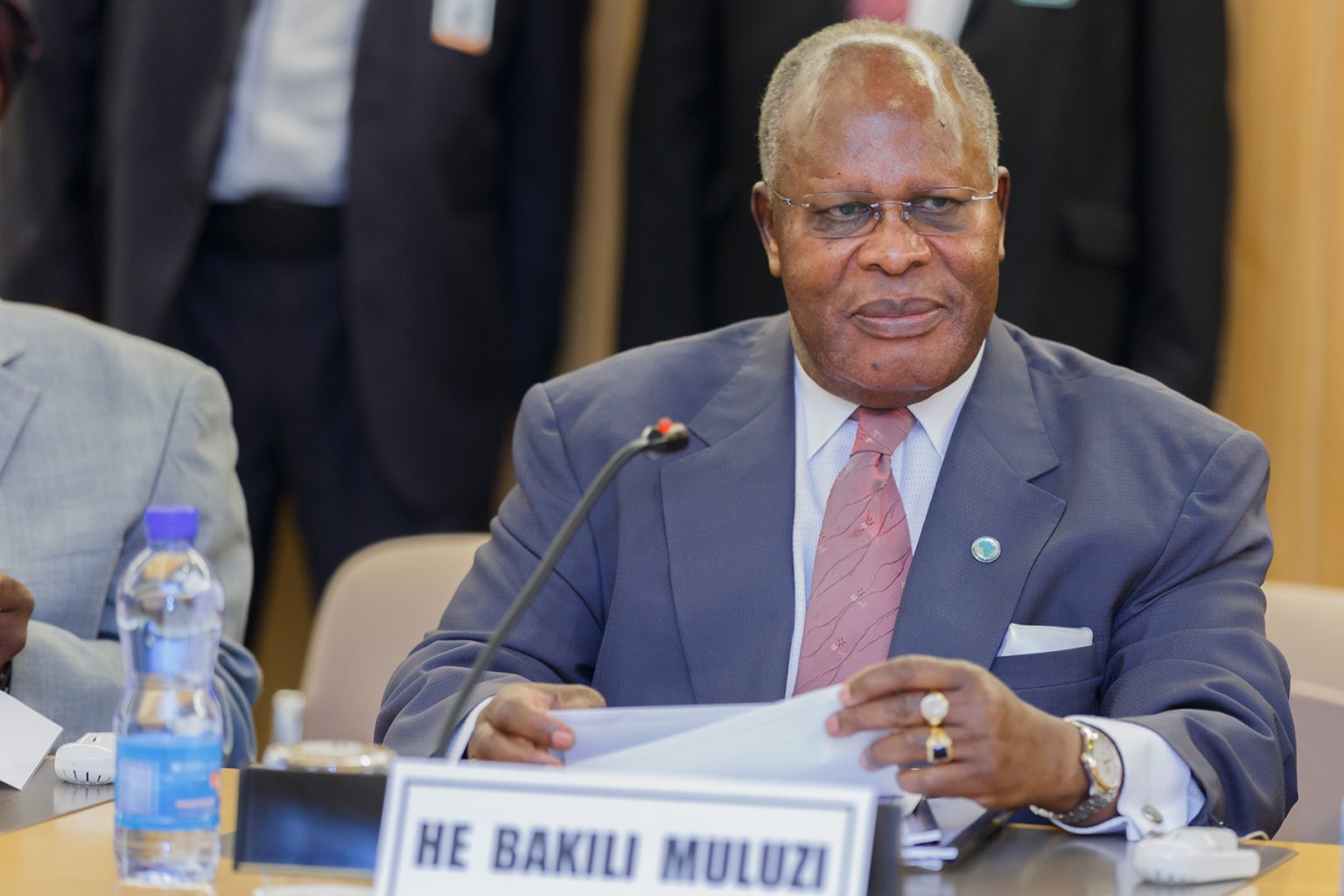
Former President Bakili Muluzi has sparked discussion over government leadership and administrative authority after questioning the practice of assigning key responsibilities to ministers instead of vice presidents.
Speaking publicly, Muluzi reflected on his tenure in office, stating that when he was president, he delegated authority to his vice president, Justin Malewezi, rather than to cabinet ministers. He suggested that such an arrangement provided a clear chain of command and reinforced accountability within government.
His remarks have prompted debate about the role of vice presidents in the current administration and how executive responsibilities are distributed among senior government officials. Observers say the comments touch on broader questions of governance, institutional hierarchy, and decision-making within the executive branch.
Government officials have rejected suggestions that Muluzi’s remarks point to any internal disagreements or uncertainty over authority. A government spokesperson maintained that the president retains full constitutional powers and has the discretion to assign responsibilities in a manner deemed appropriate for effective governance.
Officials further dismissed speculation of a leadership rift, emphasizing that government structures remain functional and that executive duties are being carried out in accordance with established procedures.
Political analysts note that discussions surrounding delegation of authority often attract public attention because they relate directly to accountability, transparency, and the effectiveness of government operations. They add that the debate highlights differing views on how executive responsibilities should be managed within Malawi’s political system.
As the discussion continues, Muluzi’s comments have renewed public interest in the balance of power between vice presidents, ministers, and the presidency, placing leadership and governance practices back in the national spotlight.
About the Author