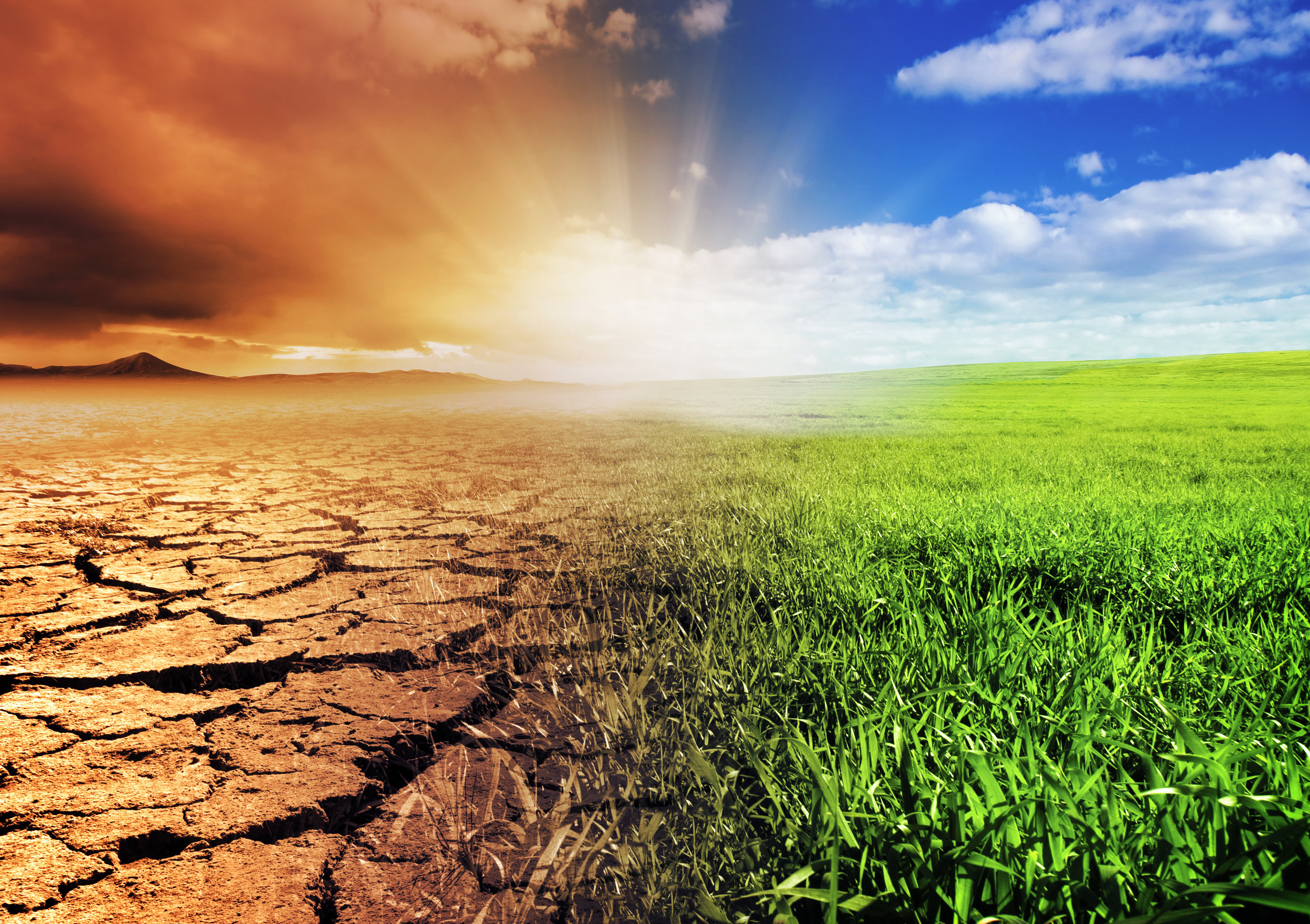
A troubled young man walking into the light
Climate change—the long-term alteration of global climate patterns, particularly meteorological conditions over extended periods—has emerged as one of the most serious existential threats facing humanity today.
The phenomenon is primarily driven by the greenhouse effect, which has caused a steady rise in the Earth’s average temperature. This warming is largely the result of a dramatic increase in carbon dioxide emissions, which have risen by approximately 35 percent since the beginning of the Industrial Revolution. Europe and North America alone are responsible for nearly 50 percent of global carbon dioxide emissions, while the remaining half is produced by the rest of the world combined. Ironically, the poorest countries—those least responsible for the crisis—are expected to suffer the most severe consequences.
The main causes of climate change are well documented. The combustion of fossil fuels such as coal, oil, gasoline, and natural gas accounts for about 50 percent of total greenhouse gas emissions. Deforestation contributes roughly 15 percent, releasing additional gases into the atmosphere while weakening the planet’s natural ability to absorb carbon dioxide. Conventional agriculture and livestock farming are responsible for another 15 percent, while the production and use of synthetic chemicals further exacerbate the problem.
Scientists around the world have sounded the alarm. Without urgent, coordinated global action by political leaders, governments, industries, and citizens, the Earth’s temperature is projected to rise above 2°C relative to pre-industrial levels by 2060. By the end of the 21st century, warming could reach as high as 5°C—a scenario that would make life increasingly difficult, if not untenable, for future generations.
Such a temperature increase would have devastating and irreversible consequences for natural ecosystems. Biodiversity—the vast network of animal, plant, bird, and marine species that sustain life on Earth—would be severely disrupted. Many species are expected to disappear entirely from regions most affected by climate change, leading to ecological imbalance on a global scale.
Since 1850, when systematic temperature records began, the planet has already warmed by approximately 1.1°C. Scientists stress that it is critically important to prevent warming from exceeding 1.5°C, as crossing this threshold could trigger irreversible climate feedback loops with no possibility of recovery.
Climate change, driven largely by human activity, is no longer a distant threat—it is a present and tangible reality. The primary sources of greenhouse gas emissions include energy production facilities, industrial activities, modern transportation systems such as cars and airplanes, and the primary production sector.
As a result, extreme weather events are becoming more frequent and more intense. Uncontrollable wildfires—such as those devastating the Amazon rainforest, often described as the “lungs of the planet”—along with heatwaves, torrential rainfall, prolonged droughts, powerful hurricanes, and floods now claim tens of thousands of lives annually and cause enormous economic and environmental damage.
At the same time, polar ice and snow are melting at alarming rates, with the Arctic region suffering the most severe losses. Rising global sea levels are already leading to coastal erosion, flooding of low-lying areas, and the emergence of climate refugees. If this trend continues, regions such as the Netherlands and historic cities like Venice could eventually face permanent submersion, becoming modern-day Atlantean legends.
Climate change also poses a serious threat to global health. It exacerbates existing diseases and facilitates the emergence of new ones. Many illnesses are highly sensitive to temperature changes, including infectious diseases such as malaria, yellow fever, dengue fever, and encephalitis. Additionally, climate change contributes to food insecurity, mental health disorders, cardiovascular conditions, respiratory diseases, and premature death.
Economically, the impacts are equally alarming. Rising temperatures undermine productivity across nearly all sectors, from agriculture to manufacturing. Leading scientists predict that by the end of this century, global GDP could be reduced by more than 7 percent compared to a scenario without climate change.
In recent years, Swedish climate activist Greta Thunberg has played a pivotal role in bringing this crisis to the forefront of global political and public discourse. Through her unwavering activism, she has mobilized millions—particularly young people—to demand immediate and decisive action from governments. In recognition of her efforts, Swedish members of parliament rightly nominated her for the Nobel Peace Prize. As Thunberg has repeatedly emphasized, current measures to reduce greenhouse gas emissions—especially carbon dioxide—remain dangerously insufficient.
To effectively combat climate change and limit global warming to 1.5°C, decisive action must be taken without delay. Key measures include accelerating the transition to renewable energy sources such as wind, solar, and biomass; significantly improving energy efficiency; drastically reducing the extraction and use of oil and natural gas; imposing carbon taxes to discourage fossil fuel consumption; rapidly cutting emissions of methane, carbon black, and other short-lived climate pollutants; and restoring and protecting ecosystems, particularly forests.
The Paris Agreement—the first universal, legally binding climate accord—came into force in 2016 amid widespread optimism and ambition. However, nearly a decade later, tangible results remain limited, raising serious doubts about whether sufficient political will exists to confront this escalating global crisis.
In conclusion, the consequences of unchecked climate change are so severe that human civilization itself risks collapsing like a house of cards. Faced with this unprecedented threat, citizens worldwide must intensify their mobilization, and political leaders must rise to the occasion. Immediate, bold, and transformative action is essential—before it is too late—to reverse this unsustainable trajectory and safeguard the planet for present and future generations.
⸻
Author Bio
Isidoros Karderinis was born in Athens in 1967. He is a novelist, poet, and columnist who has studied economics and completed postgraduate studies in tourism economics. His articles have been published in newspapers, magazines, and websites worldwide. His poetry has been translated into English, French, and Spanish and featured in international anthologies and literary journals. He has published seven poetry collections and three novels, with books released in the United States, Great Britain, Spain, and Italy.
Contact:
Email: skarderinis@hotmail.gr
Facebook: Karderinis Isidoros
Twitter: Isidoros Karderinis
About the Author