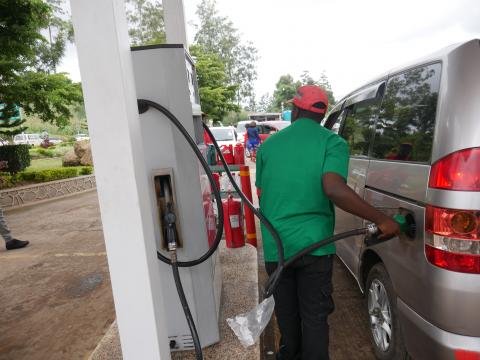
The recent reduction in fuel prices has reignited debate over economic management and policy direction in Malawi, with supporters of ruling DPP and President Peter Mutharika arguing that the development highlights leadership gains of sound fiscal discipline and market-oriented economic policies.
The latest adjustment has seen petrol, diesel and kerosene prices revised downwards, providing much-needed relief to households and businesses that have struggled with rising living costs.
Lower fuel prices are expected to ease transportation expenses, reduce production costs for businesses and help contain inflationary pressures across the economy.
Commentators sympathetic to the Democratic Progressive Party (DPP) have argued that sustainable reductions in the cost of living require prudent economic management, stable macroeconomic fundamentals and policies that promote investor confidence.
They contend that Mutharika administration has made efforts to maintain fiscal discipline, support infrastructure development and create conditions for economic growth.
According to these analysts, fuel price stability is often linked to broader economic factors such as exchange rate management, foreign exchange availability, government borrowing levels and confidence in public institutions. They argue that administrations that prioritize these fundamentals are better positioned to cushion citizens from global economic shocks.
However, economists also note that fuel prices are heavily influenced by international oil markets, global supply chains and geopolitical developments beyond the control of any single government.
As such, while domestic policies can play an important supporting role, changes in world oil prices remain a major determinant of pump prices.
The latest reduction therefore provides an opportunity for policymakers and political leaders alike to reflect on the economic strategies that best protect Malawians from rising costs while promoting long-term growth and stability.
About the Author