Screenshot
(Kidnappings, Money Laundering , terrorism financing and Human Trafficking Networks)
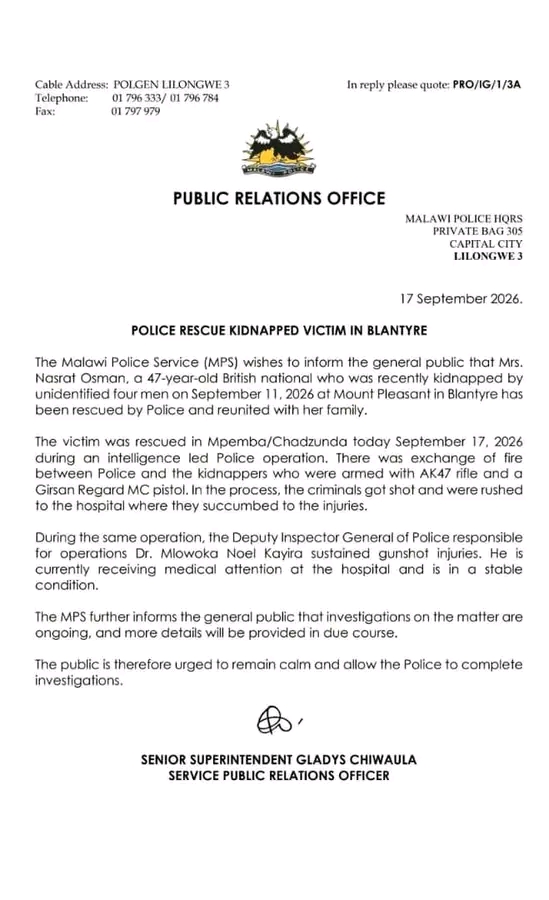
A confidential cable circulating among international law-enforcement agencies and diplomatic channels has raised serious concerns about Malawi’s handling of a series of kidnappings involving Asian business people , ransom payments, human trafficking and suspected transnational money-laundering operations with Malawi being looked into as a haven for organized criminal elements and terrorism financing .
Only Cables can confidently reveal.
According to inside diplomatic cables, investigators associated with the Federal Bureau of Investigation (FBI) and Interpol are examining financial transactions involving individuals described as “persons of political interest” connected to Malawi between 2023 and May 2026.
The inquiry reportedly focuses on ransom payments allegedly routed through Dubai before being transferred into business networks with Pakistani links.
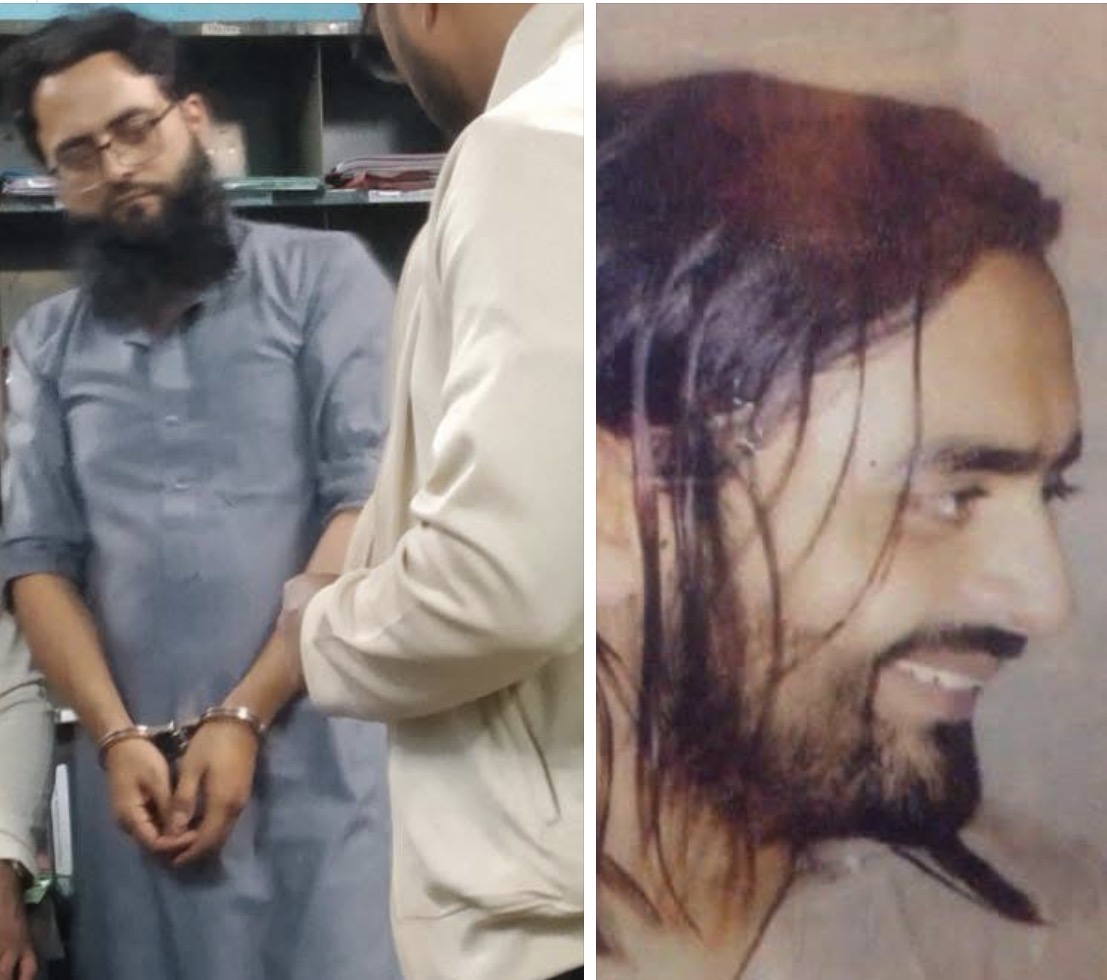
“Operational attention is focused on the abduction cases involving Asian nationals and the subsequent judicial handling of suspects Soyfan Razak and Zia Butt, also known as ‘Jesus’.
Intelligence suggests undue pressure may have been exerted on lower court officials, with indications of substantial financial inducements.”
Investigators reportedly believe that families of kidnapping victims paid between US$300,000 and US$1 million in cash to secure the release of their relatives.
The payments were allegedly made in Lilongwe and Nkhotakota before being channelled through business intermediaries operating in Malawi.
The leak highlights growing international scrutiny following the recent granting of bail to Zia Butt. According to the cable, foreign investigators are questioning how an individual allegedly linked to serious criminal activity was released despite a reported history of abscondment and deportations.
International agencies are also said to be examining who ultimately benefited from funds allegedly generated through the kidnapping network.
The document further references concerns surrounding Lin Yun Hua, described in the cable as an international trafficking figure whose corruption case is being withdrawn by DPP Mayere after he got a pardon from former President Chakwera .
The incident has reportedly heightened concerns among foreign security agencies monitoring organised criminal networks operating across borders.
Diplomatic sources cited in the document warn that Malawi could face significant reputational, diplomatic, and legal repercussions if evidence emerges that senior officials facilitated, protected, or benefited from these criminal networks.
“The pattern of cash movement from Malawi through Dubai into Pakistani channels raises concerns associated with transnational organised crime and potential terror-financing vulnerabilities.
Failure to act decisively risks Malawi being viewed as a permissive jurisdiction for criminal actors,” the cable reportedly states.
The intelligence assessment further suggests that officials within the security sector, judiciary, and political establishment are being quietly evaluated for possible inclusion on international watchlists linked to corruption, bribery, money laundering, and organised crime.
Potential measures could include travel restrictions, asset freezes, and, where applicable, international arrest warrants.
The leaked document also notes that Gabriel Chembezi, Acting Director General of Malawi’s Anti-Corruption Bureau (ACB), has publicly confirmed investigations connected to aspects of the broader scandal.
Western and regional security agencies reportedly fear that Malawi risks being perceived as a safe haven for organised criminal syndicates if the cases are not thoroughly investigated and prosecuted.
Institutions reportedly under international scrutiny include the Directorate of Public Prosecutions (DPP), the Ministry of Justice, the Malawi Police Service, the Anti-Corruption Bureau, the Malawi Prison Service, senior political figures within the security establishment, Cabinet ministers, and the Office of the President and Cabinet.
The cable concludes with a warning that Malawi’s commitment to combating organised crime, corruption, human trafficking, and illicit financial flows is now under direct international observation, with the country’s response likely to influence future assessments by foreign governments and international security agencies.
Cables have on several occasions bursted human trafficking networks and money laundering networks which are not being viewed as enablers of criminal activities and terrorism financing .
About the Author