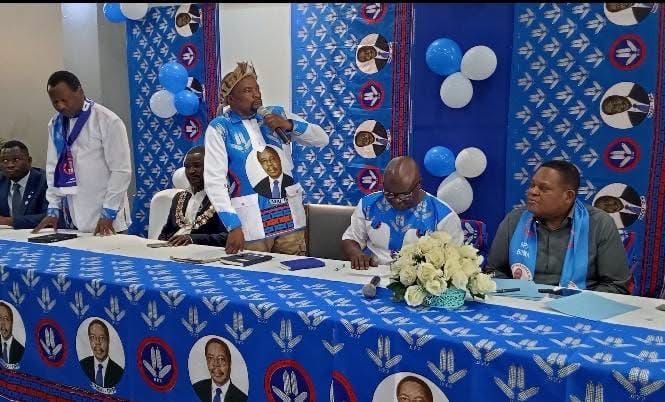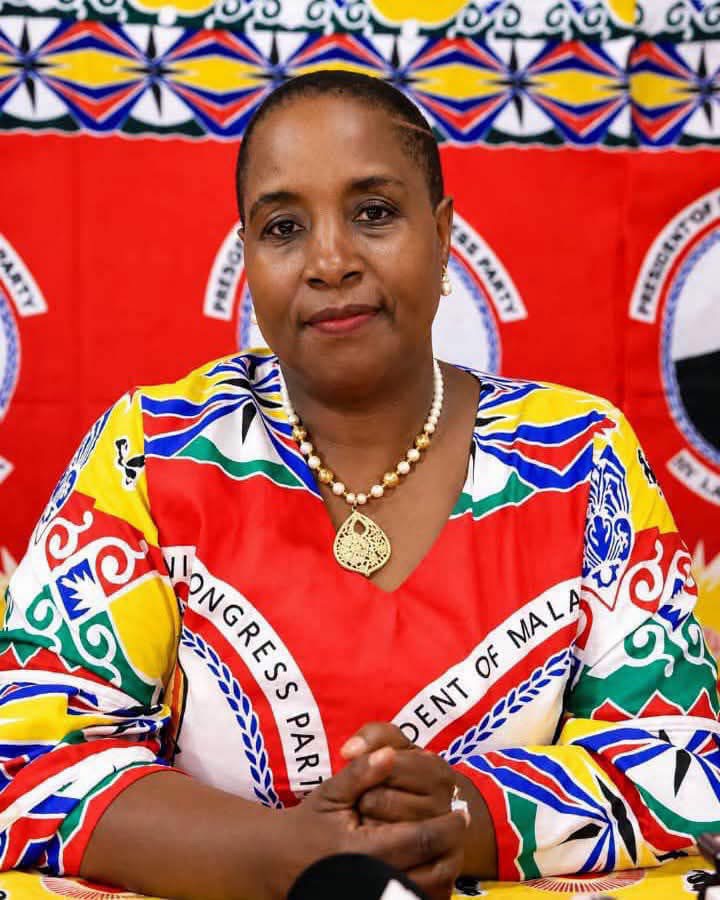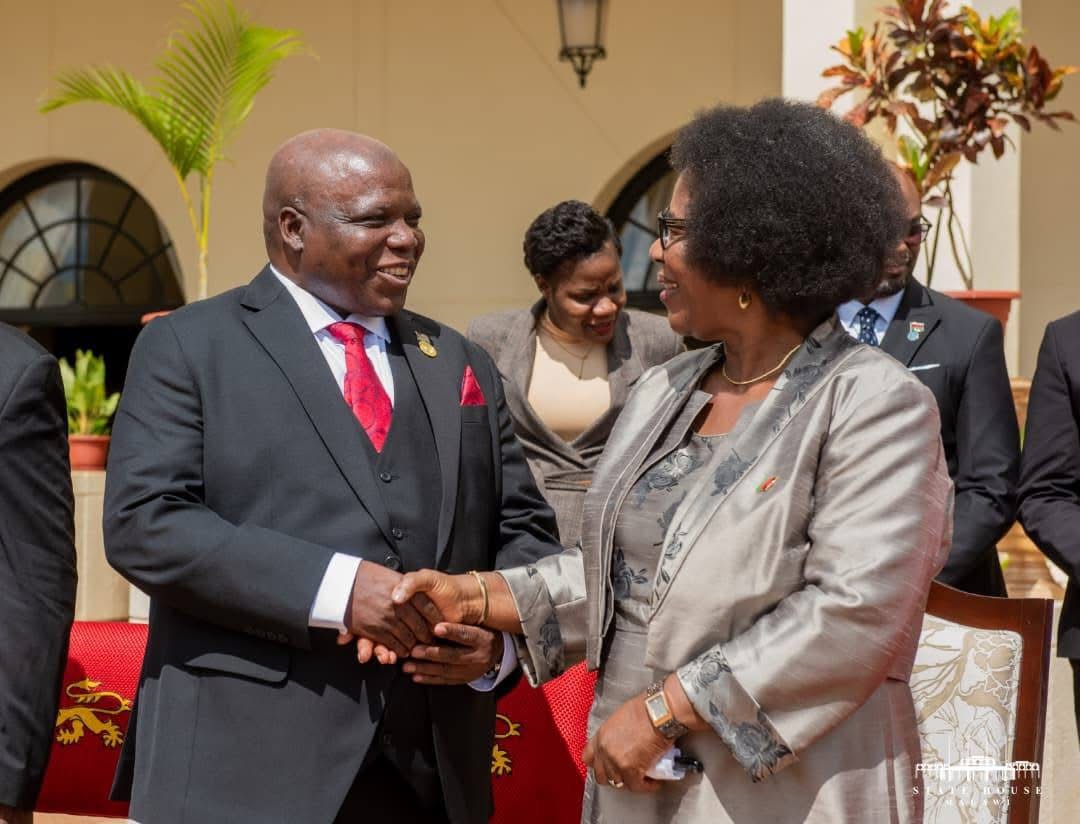
During the campaign, Malawians were repeatedly told that Jane Ansah was the answer.
She was presented as more than a running mate or a constitutional requirement. She was portrayed as an integral member of the leadership team that would help tackle Malawi’s enormous challenges.
Campaigns matter because they shape public expectations. Citizens do not vote only for manifestos; they also vote for the leadership team presented to them before an election.
It is therefore entirely reasonable for Malawians to ask a constitutional question: If the Vice President is available, why was she absent from one of the most important Cabinet meetings held by this administration?
I do not ask this because I know the answer. I ask because the public does not.
There may well be a perfectly legitimate explanation. But in constitutional governance, unexplained symbolism creates unnecessary uncertainty. The office of Vice President is not simply another ministerial position. It exists to strengthen executive continuity, enrich executive deliberations, and reassure citizens that the Republic has stable constitutional leadership.
When the holder of that office appears absent from significant moments of executive decision-making, questions naturally arise. Not because citizens seek to manufacture controversy, but because politics communicates through symbolism just as much as it does through policy.
If the campaign argued that Jane Ansah was part of the solution to Malawi’s problems, then her visible participation in governing is itself part of fulfilling that promise. Otherwise, the public is left wondering: Was the slogan merely an electoral message, or is the Government genuinely making use of the leadership it asked Malawians to elect?
These are not partisan questions. They are constitutional ones.
Democracy requires more than winning elections. It demands consistency between the promises made before power is attained and the conduct of those entrusted with governing afterward.
And so the question remains both simple and legitimate:
If she was presented as part of the answer, why does she appear to be missing when the answers are being discussed?
— Ntata Stinger
About the Author