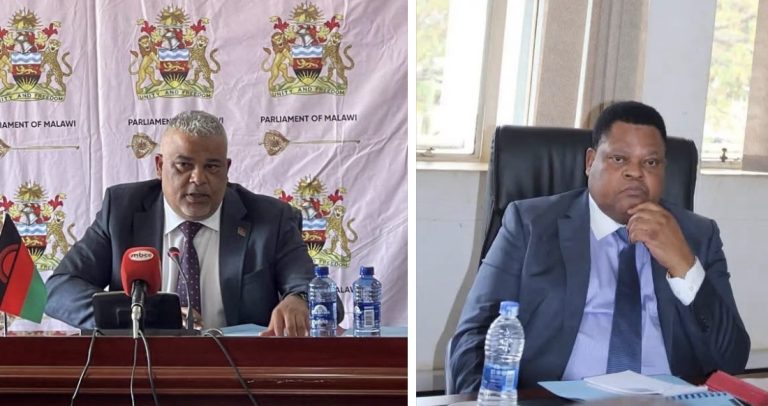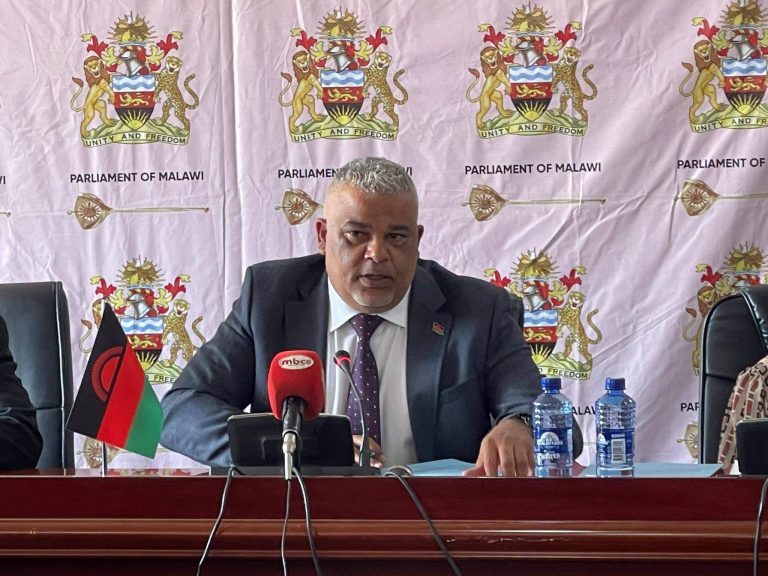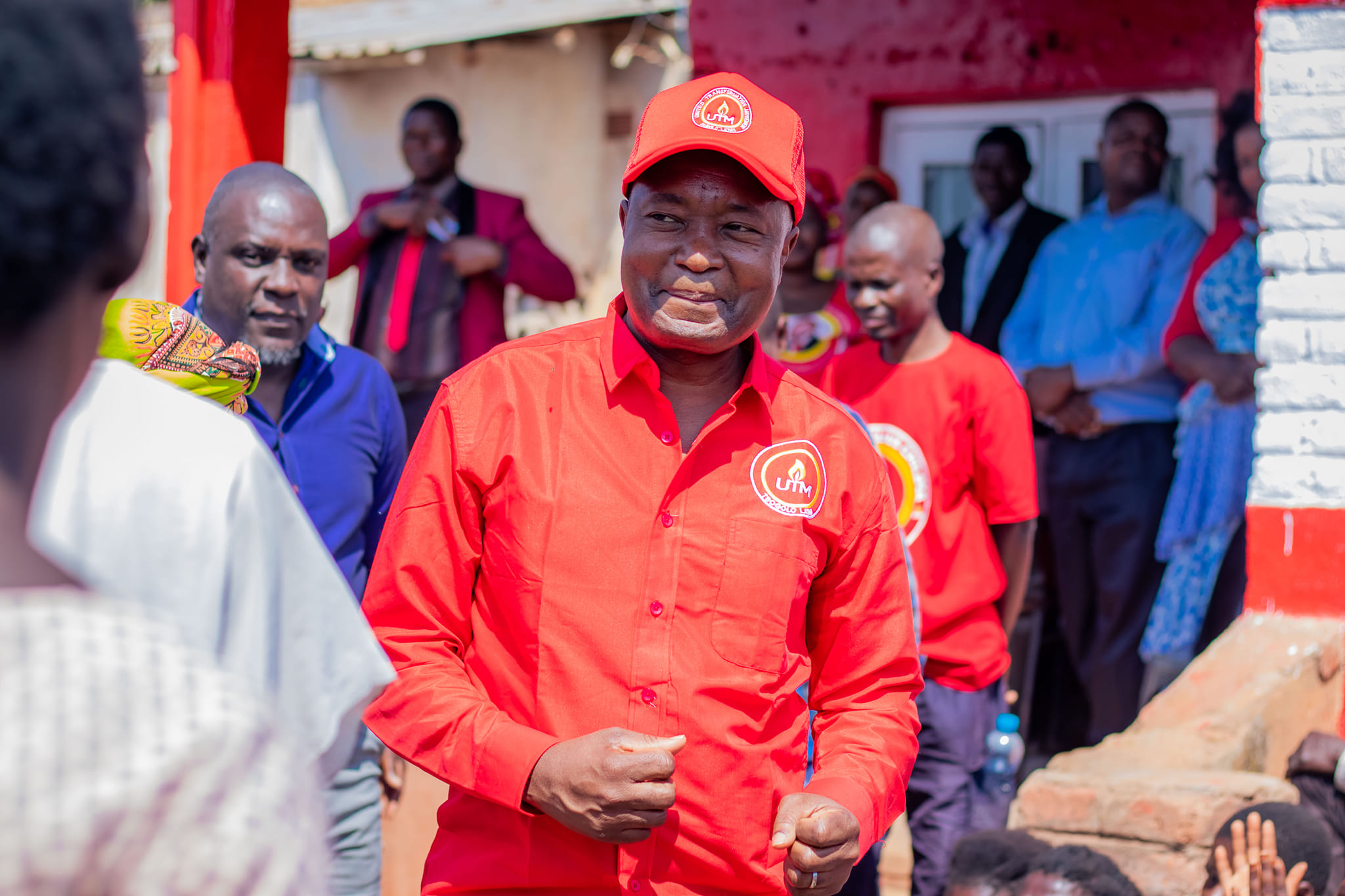
Prominent political figure and UTM President Dalitso Kabambe has called on Malawians and political leaders to place patriotism above partisan interests, urging national unity and reconciliation during moments of national significance.
Speaking in reflection following this year’s Kamuzu Day commemorations and events that followed ,Kabambe described the occasion as more than a remembrance of Malawi’s founding president, Ngwazi Dr. Hastings Kamuzu Banda, but also a moment for the nation to reflect on its collective identity and future.
The UTM President praised Dr. Banda as a central figure in Malawi’s liberation and state-building journey, acknowledging both the achievements and complexities of his legacy.
“Dr. Kamuzu Banda’s place in the story of Malawi is permanent, and his contribution deserves reflection with maturity, honesty, and national respect,” he said.
However, DK expressed concern over what he described as the growing politicization of national events and memorial spaces, warning that partisan divisions risk undermining the spirit of nationhood.
“A national day of remembrance is not the property of any political party. It belongs to the people of Malawi collectively,” DK stated. “National monuments, symbols, and memorials are sacred spaces of shared identity.”
Drawing inspiration from African liberation icons including Kwame Nkrumah, Julius Nyerere, and Nelson Mandela, DK emphasized that unity and reconciliation remain essential pillars for national progress.
He warned that Malawi cannot afford deepening political hostility at a time when citizens are grappling with economic hardship, social frustration, and uncertainty.
“Malawi needs healing more than hostility. We need reconciliation more than rhetoric. We need statesmanship more than political point-scoring,” he said.
DK further proposed the establishment of a legally protected, non-partisan national protocol to govern all state commemorations and memorial events, ensuring inclusivity and respect across political divides.
According to him, true national renewal goes beyond economic recovery and anti-corruption efforts, and must also include rebuilding trust, safeguarding national memory, and strengthening shared institutions.
“A nation that cannot unite to honour its past will struggle to unite to build its future,” he said.
Concluding his message, DK urged citizens to remember that before political affiliation, all citizens share a common destiny as Malawians.
“Before we are members of political parties, we are Malawians. Before we compete for power, we share a common destiny.”
The statement ended with calls for peace, patriotism, reconciliation, and national progress under the banner: #MalawiFirst.
About the Author