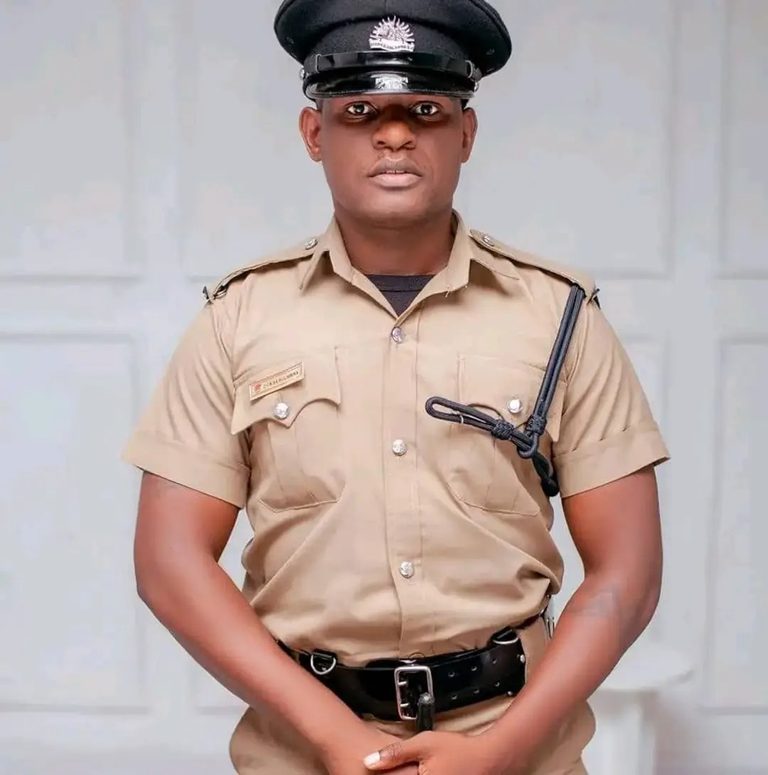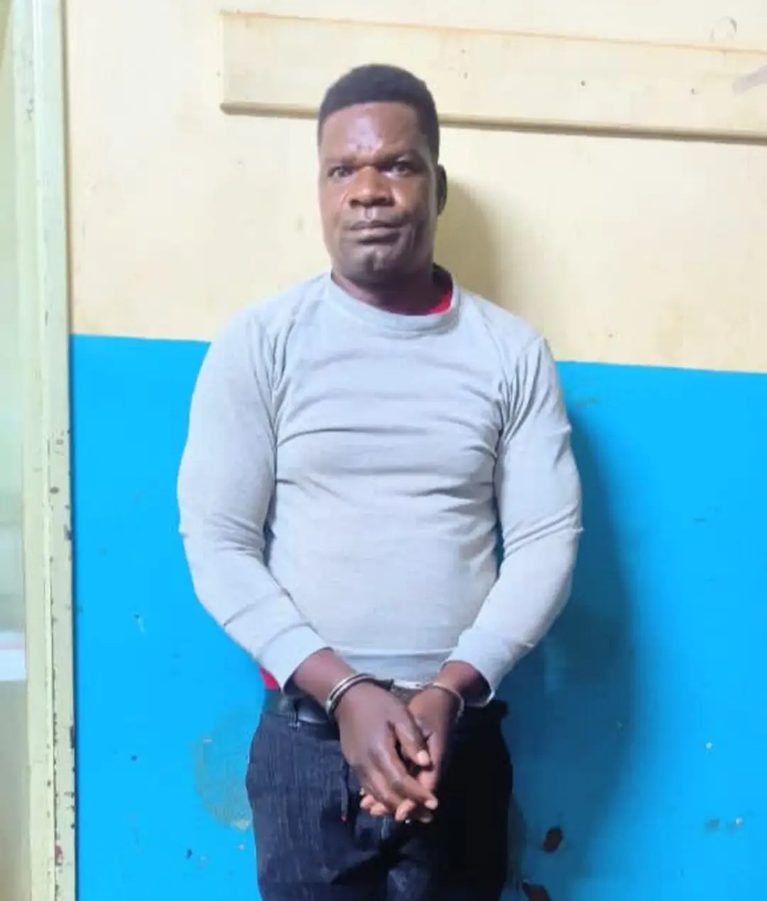
A Criminal Investigation Officer at Kawale Police Station, Thomas Thomson, has been reported to the Anti-Corruption Bureau (ACB) and the Malawi Human Rights Commission (MHRC) over allegations that he fabricated a criminal case against mechanic Dan Nkawihe and demanded K500,000 for his release.
According to complaints filed with the ACB and MHRC seen by Cables, accounts from people directly involved in the matter, and information gathered during our investigation, Thomson allegedly demanded K500,000 in exchange for Nkawihe’s release after the mechanic had spent several nights in police custody.
Nkawihe was arrested on the night of Wednesday, 2 September 2025, in the Kaliyeka area by members of a community policing group while he was travelling home to Chilinde.
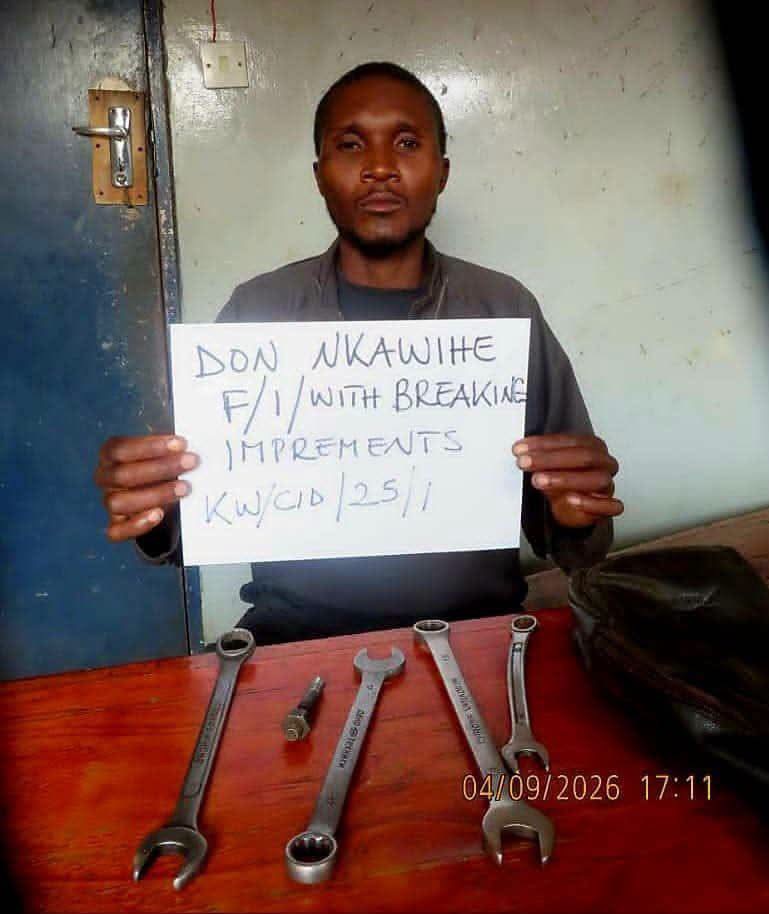
He had been in Biwi repairing a client’s vehicle and was carrying a bag containing his mechanic’s tools, including spanners, when he was apprehended and taken to Kawale Police Station.
The complaints allege that Thomson subsequently took charge of the matter and demanded K500,000 as a condition for Nkawihe’s release. The money was allegedly not an official police fee, fine, or charge.
The circumstances surrounding Nkawihe’s detention have also been referred to the MHRC, with the complainants alleging that he was held beyond the constitutionally prescribed 48-hour period within which an arrested person must be brought before a court.
From Mechanic’s Tools to “Breaking Implements”
The allegations go beyond the reported demand for money.
Our investigation found significant discrepancies between the account subsequently presented by police and accounts concerning the circumstances of Nkawihe’s arrest.
Police reportedly portrayed Nkawihe as a suspected thief who had been terrorising the Kawale area and claimed that he was found in possession of suspected breaking implements.
However, accounts obtained during our investigation indicate that the items in Nkawihe’s possession were ordinary mechanic’s tools, including spanners.
No stolen property was reportedly recovered from him at the time of his arrest.
Nkawihe was allegedly apprehended in Kaliyeka while travelling home from work not at the scene of a burglary and not while allegedly committing an offence.
A further account attributed to Kawale Police Deputy Public Relations Officer Prisca Mtikwa alleged that police officers raided Nkawihe’s house in Ngwenya, Area 24, during the night of 4 September 2026 and recovered various breaking tools.
That account is disputed.
Information obtained during our investigation indicates that no police officers raided or searched Nkawihe’s home.
The account we have verified is that he was arrested in Kaliyeka by members of a community policing group while returning from work.
The discrepancy raises questions about how the police account of the arrest was constructed and subsequently communicated to the public.
Police also reportedly claimed that Nkawihe voluntarily admitted during interrogation to using the alleged implements to steal alternators and other vehicle parts from the garage of Gerald Ching’amba.
Nkawihe disputes this account.
He maintains that he never admitted committing any offence, does not know Ching’amba, has never worked for or with him, and has never visited his garage.
Our investigation has also found no formal charge or complaint establishing a direct link between Nkawihe and the alleged thefts.
Nkawihe further alleges that he was pressured during interrogation to accept criminal allegations that he had not committed.
Taken together with the alleged demand for K500,000 and the subsequent public portrayal of Nkawihe as a criminal, the circumstances raise serious questions about whether criminal allegations were manufactured or exaggerated to strengthen the case against him and create leverage for extracting money.
Nkawihe is now considering further legal action over what he says was the public portrayal of him as a criminal despite having no criminal conviction.
He has never been convicted by a court of theft, burglary, or any other criminal offence.
The alleged description of him as a thief who had been terrorising the Kawale community therefore raises broader questions about the presumption of innocence and the responsibility of law enforcement authorities when releasing information about suspects to the public.
The reputational consequences could be significant for a mechanic whose livelihood depends on public trust.
Efforts to obtain a response from Thomson were unsuccessful.
The ACB has been asked to investigate the alleged demand for K500,000, while the MHRC has been asked to examine the alleged prolonged detention, treatment during interrogation, and circumstances surrounding Nkawihe’s public portrayal.
The case raises fundamental questions about police accountability, the exercise of law-enforcement powers, protection of detainees’ rights, and the accuracy of information released to the public.
The central question remains: How did a mechanic walking home from work with his tools become publicly portrayed as a notorious criminal before being convicted by any court?
About the Author