Screenshot
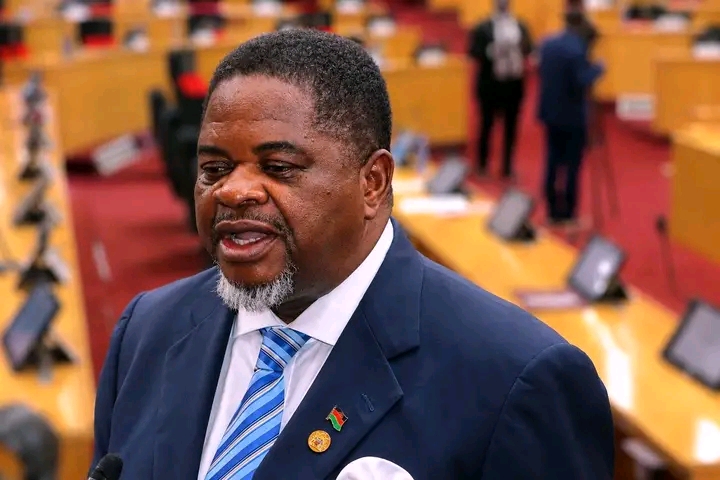
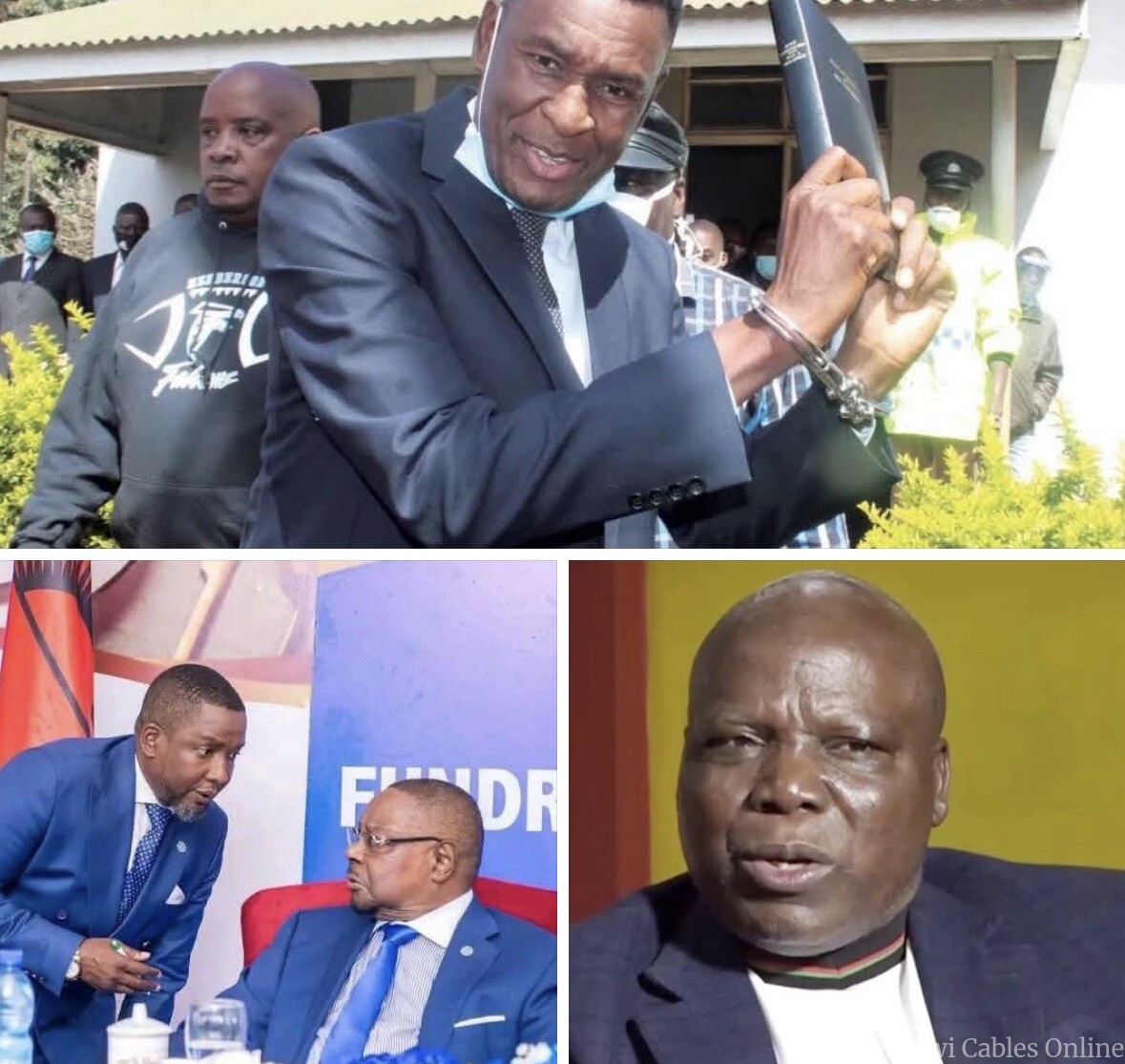
Information in Cables’ possession has implicated Deputy Minister and President Arthur Peter Mutharika’s bodyguard Norman Chisale, Chief Secretary Justin Saidi and Minister of Lands Chimwemwe Chipungu in an alleged attempt to interfere with the ongoing treason case involving activist Sylvester Namiwa.
Cables can confidently reveal that the three are exerting pressure in relation to the case being presided over by Judge Mzondi Mvula.
According to information available to Cables, Chisale, Saidi and Chipungu have been contacting Namiwa’s lawyers and attempting to influence the manner in which they handle his defence. They have asked the defense lawyers to stop representing Namiwa .
Cables has also received information that the trio has sought to influence Judge Mvula’s handling of Namiwa’s bail application, with the position being that Namiwa should not be granted bail until he makes a public apology to President Mutharika.
The basis upon which Namiwa is being asked to apologise to the President over a matter that is currently before the courts remains unclear.
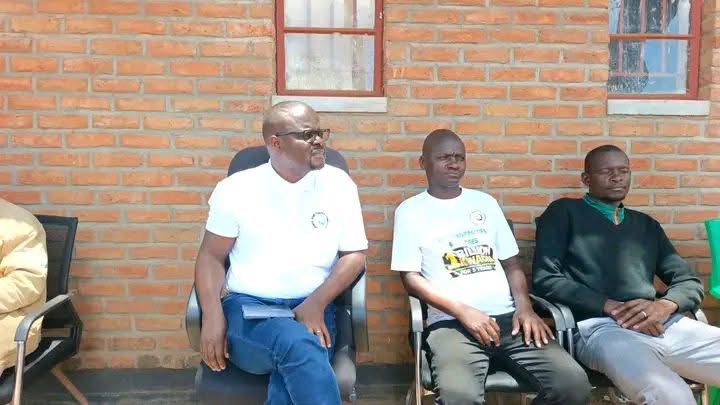
Cables understands that Norman Chisale approached former Thyolo central parliamentarian Kingsley Namankhwa, who is one of Namiwa’s close friends , as well as Group Village Headman Namiwa, with a message that the activist Namiwa would not be released on bail unless he publicly apologized to Mutharika.
Judicial independence requires judges to make decisions freely, without political pressure, intimidation or instructions from individuals outside the judicial process.
Equally, lawyers must be allowed to represent their clients without interference or intimidation.
Meanwhile, Cables has also received separate information alleging that Judge Mvula demanded MK10 million from Namiwa in connection with the handling of the case.
The allegations come amid an already tense relationship between Namiwa and Minister Chimwemwe Chipungu.
Namiwa recently called for a lifestyle audit of Chipungu and made allegations concerning the allocation of several plots of prime land linked to Airport Development Limited. Those sentiments have intensified the political controversy surrounding the activist.
The judiciary must remain independent, lawyers must be free to defend their clients, and justice must be allowed to take its course without political intimidation or pressure. Malawi is a democratic state and it is not right for some powerful people to be influencing the courts to settle their political scores or silence those that speak for poor Malawians .
About the Author