When Malawians thought the passport woes were over, with ministers taking turns touring Immigration offices, suspected corrupt officers being captured on camera, and promises being made of a reformed Immigration service delivery system.
Cables can confidently reveal that the problems at the Department of Immigration are far from over.
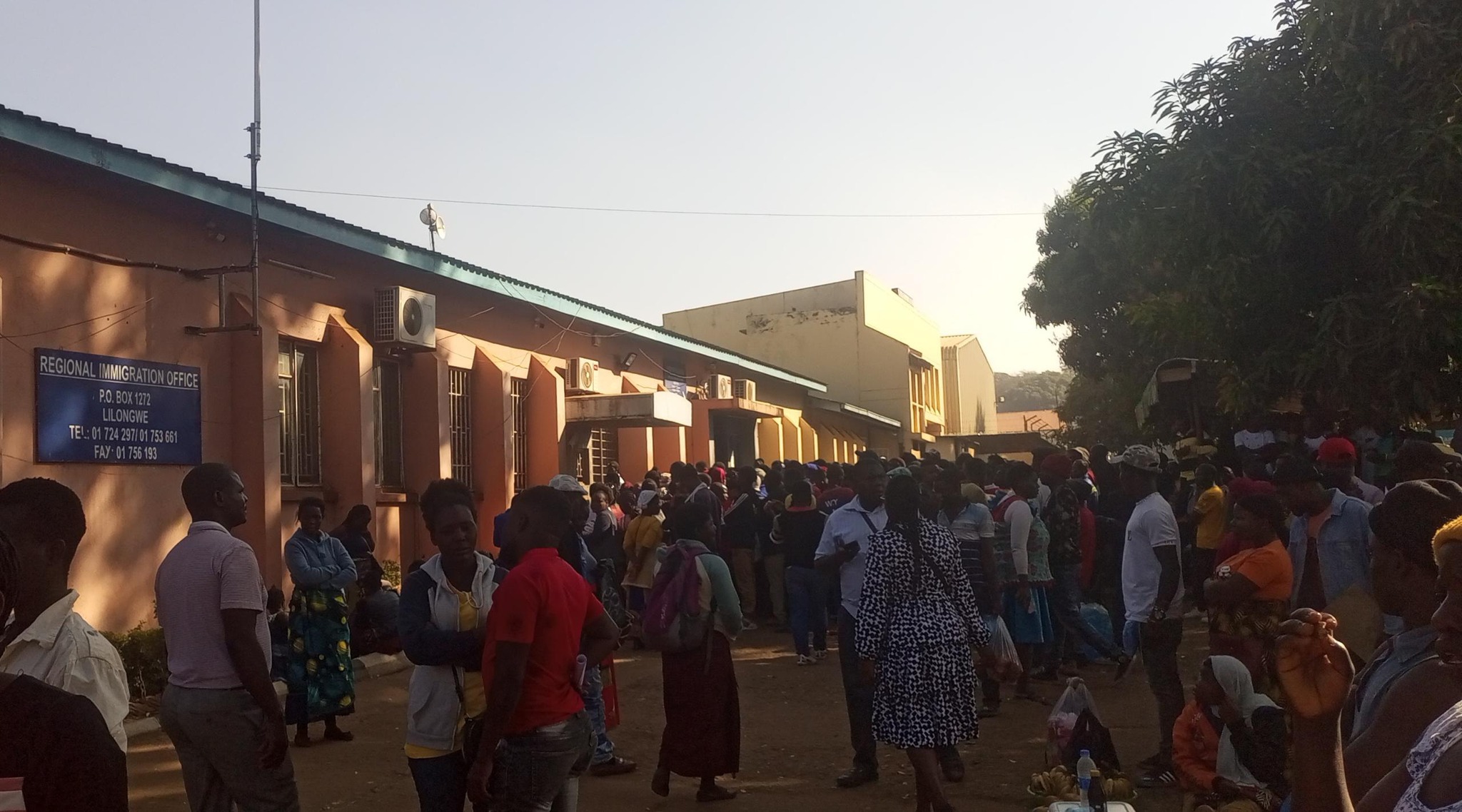
The institution entrusted with printing passports has now gone for a week without producing a single passport, creating a fertile ground for corruption while leaving desperate Malawians stranded.
Those affected include people seeking to travel for business, medical treatment, education, and opportunities for greener pastures abroad.
Despite the much-publicised state-of-the-art passport printing technology and machinery delivered to the Immigration Department at a cost of billions of taxpayers’ money.
Cables has established that the department is struggling to scale up passport production. The printers supplied under the contract are outdated and are failing to perform in line with the scope of the agreement.
To make matters worse, the machines have been experiencing persistent mechanical failures, resulting in frequent breakdowns.
Among the reported problems are failures in the laminating system, which is unable to properly laminate the biodata page, repeated printing errors where up to four copies of the same passport are produced at times and instances where the biodata page is printed on the wrong page.
There have also been recurring errors involving the embedded electronic chips meant to store passport biodata.
As if that were not enough, the department is also grappling with shortages of passport printing materials, including booklets, on top of what officers describe as an unfriendly user system.
The Madras contract was presented as the solution to the passport crisis that had plagued the Immigration Department.
However, the reality on the ground is contrary to what Malawians were promised. Another cash scam whose price will be paid by Malawians .
Once again, Malawians appear to have been given a raw deal, with billions of taxpayers’ money spent but no lasting solution to the country’s passport printing challenges.
About the Author