Screenshot
The separation of powers is a fundamental tenet of corporate governance and the rule of law. Combining the positions of CEO and Board Chairperson in state-owned enterprises concentrates excessive power in one individual, creates an inherent conflict of interest, weakens oversight, and may create an environment conducive to corruption.
A CEO is an executive officer responsible for the day-to-day operations of an organization and is accountable to the Board of Directors. The board, whose members are appointed by the President, is mandated by law to provide strategic direction, exercise oversight, and hold the CEO and senior management accountable. The Chairperson, on the other hand, is typically a part-time, non-executive leader responsible for guiding the board in carrying out these duties.
This is how corporate governance is supposed to work.
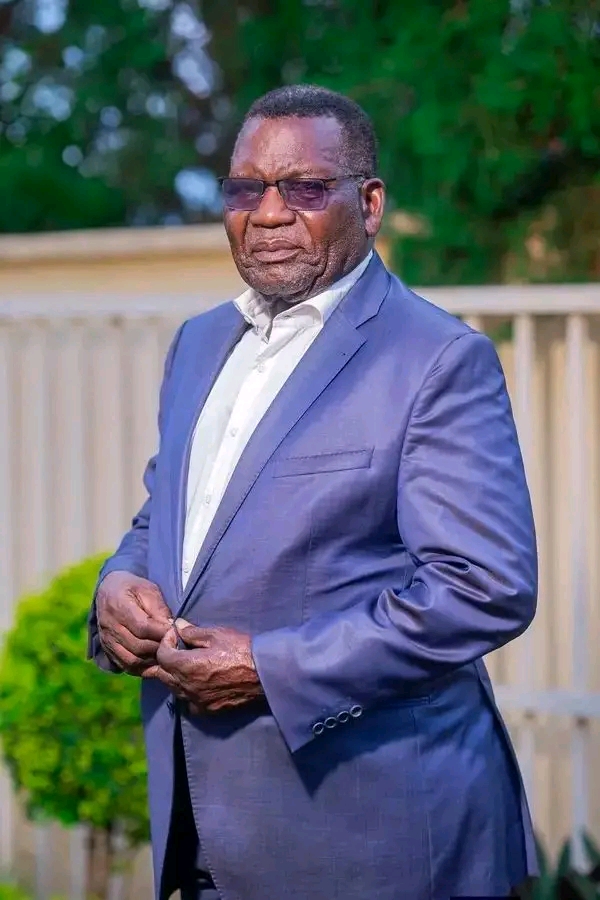
However, the Government of Malawi, through the Office of the Controller of Statutory Corporations, appointed Julius Chione Mwase as CEO of the Northern Region Water Board while he also serves as Chairperson of Malawi Railways (1994) Limited.
Mwase, who lost his parliamentary seat in Nkhata Bay District, now heads the Northern Region Water Board. Last month, he led a Malawi Railways delegation to Mozambique in his capacity as Board Chairperson, despite the company being another government-owned parastatal.
The dual appointment has raised questions about adherence to corporate governance principles, particularly regarding the separation of executive management and board oversight roles in Malawi’s state-owned enterprises.
About the Author