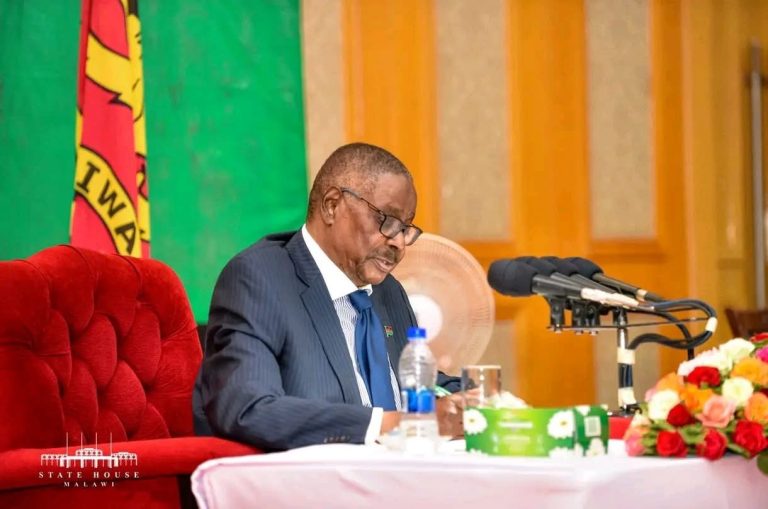
The leadership of the Democratic Progressive Party (DPP) under His Excellency Professor Arthur Peter Mutharika is beginning to yield tangible economic benefits, particularly in the agricultural sector where maize—the country’s staple food—plays a central role in household food security.
Recent observations indicate that maize prices have significantly declined to an average of around MK25,000 per 50kg bag, a remarkable improvement compared to the soaring prices of approximately MK80,000 per bag recorded during the same period in 2025. This sharp reduction has brought relief to many Malawian households that had been struggling with high food costs and inflationary pressures.
Independent market analyses and reports also confirm a broader downward trend in maize prices across Malawi in early 2026. Studies show that maize prices dropped by about 16% in January alone, largely due to improved supply, increased imports, and better market stabilization measures.  Additionally, continued price declines into February and beyond have contributed to easing inflation, which fell from 26% to around 24.9%, partly driven by reduced food prices. 
These developments reflect the impact of people-centered economic policies aimed at strengthening agricultural productivity, stabilizing markets, and ensuring food availability. Strategic interventions—such as improved cross-border trade, better price monitoring, and responsive government procurement policies—have played a role in cushioning citizens from extreme price volatility. For instance, adjustments in national grain buying prices by authorities have aligned with market trends, further supporting price stabilization. 
The decline in maize prices is not just a statistical improvement; it represents real progress in improving livelihoods. Lower food prices directly translate into increased disposable income for families, enhanced food security, and reduced poverty levels, particularly among vulnerable rural communities.
This positive trend serves as a clear example of how sound economic management, coupled with a commitment to pro-poor policies, can deliver meaningful results. It reinforces the importance of strong leadership and consistent policy direction in addressing the everyday challenges faced by Malawians.
As the country continues on this path, sustained focus on agricultural development, market efficiency, and economic stability will be key to consolidating these gains and ensuring long-term prosperity for all citizens.
About The Author