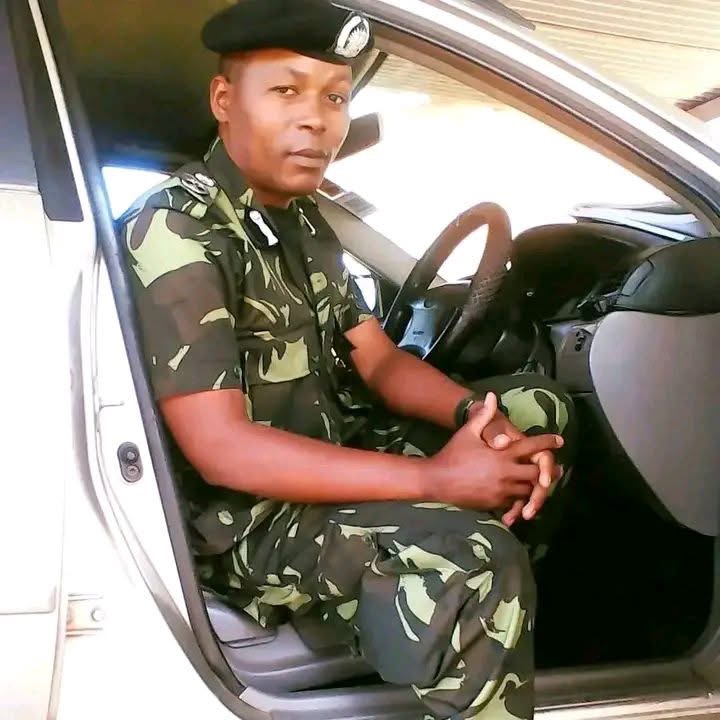
Six years after a fatal shooting in Lilongwe, a case once described by investigators as “clear murder” continues to cast a long shadow over newly appointed Deputy Inspector General of the Malawi Police Service, Noel Kaira.
The incident, which occurred in 2020 in Area 49, involved Kaira then a senior police officer who shot and killed a man he allegedly mistook for a robbery suspect while responding to a distress call from a friend.
At the time, the Malawi Police Service confirmed that investigations had been completed, with then spokesperson James Kadadzela indicating that the case file would be submitted to the Director of Public Prosecutions for further direction.
However, in 2026, there is still no record of the matter being brought before the courts.
Initial police findings reportedly painted a damning picture.
According to early reports, the victim described by family members as an unarmed neighbor who had come to assist after hearing of the robbery was shot in the back while fleeing.
Investigators noted that no warning shots were fired and that the victim posed no immediate threat.
These findings led to a preliminary conclusion of murder, with the then Inspector General reportedly ordering Kaira’s arrest. However, despite this directive, Kaira is said to have evaded arrest after being shielded by the then MCP Minister of Homeland Security, who remains a close associate of his to this day.
But subsequent developments appeared to shift the narrative.
Sources familiar with the case allege that the original report was altered, reclassifying the incident as an “accidental shooting.”
The alleged involvement of senior offices within the prosecution authority and the Criminal Investigations Department has raised further questions about the integrity of the process.
Efforts to bring the case before the courts are also said to have stalled at the level of the Director of Public Prosecutions, allegedly due to personal and professional considerations.
The victim’s family based in Lilongwe continues to grieve, expressing frustration over what they describe as a systematic failure of justice.
They allege that witnesses and community leaders were subjected to intimidation and bribery, while investigators faced pressure to revise their findings.
Claims have also surfaced that Kaira’s account of the incident where he reportedly said he acted in self-defense after being attacked with a panga knife was contradicted by forensic evidence suggesting no physical altercation took place.
Further, critics point out that standard procedure in such cases where suspects step aside to allow for independent investigations was not followed.
Despite the unresolved case, Kaira was in 2025 appointed Deputy Inspector General of Police (Administration), a role that places him at the center of the institution’s strategic and operational management.
The appointment has sparked renewed public debate, with governance advocates questioning the message it sends about accountability within public institutions.
Legal analysts warn that the prolonged inaction risks eroding public trust in the justice system.
While the case has not been formally closed, its apparent stagnation has led many to believe it may never proceed to trial.
For the victim’s family, hope for justice remains faint.
“We have waited for years,” a relative said. “But it feels like the system has already decided.”
Some critics argue that Mr Kaira, being a murder suspect in this case, should not be holding public office and must either resign or be removed to allow justice to take its course.
As Malawi continues to grapple with questions of accountability and the rule of law, the unresolved shooting stands as a stark reminder of the challenges facing the country’s justice system and the human cost when justice is delayed, or denied.
About the Author