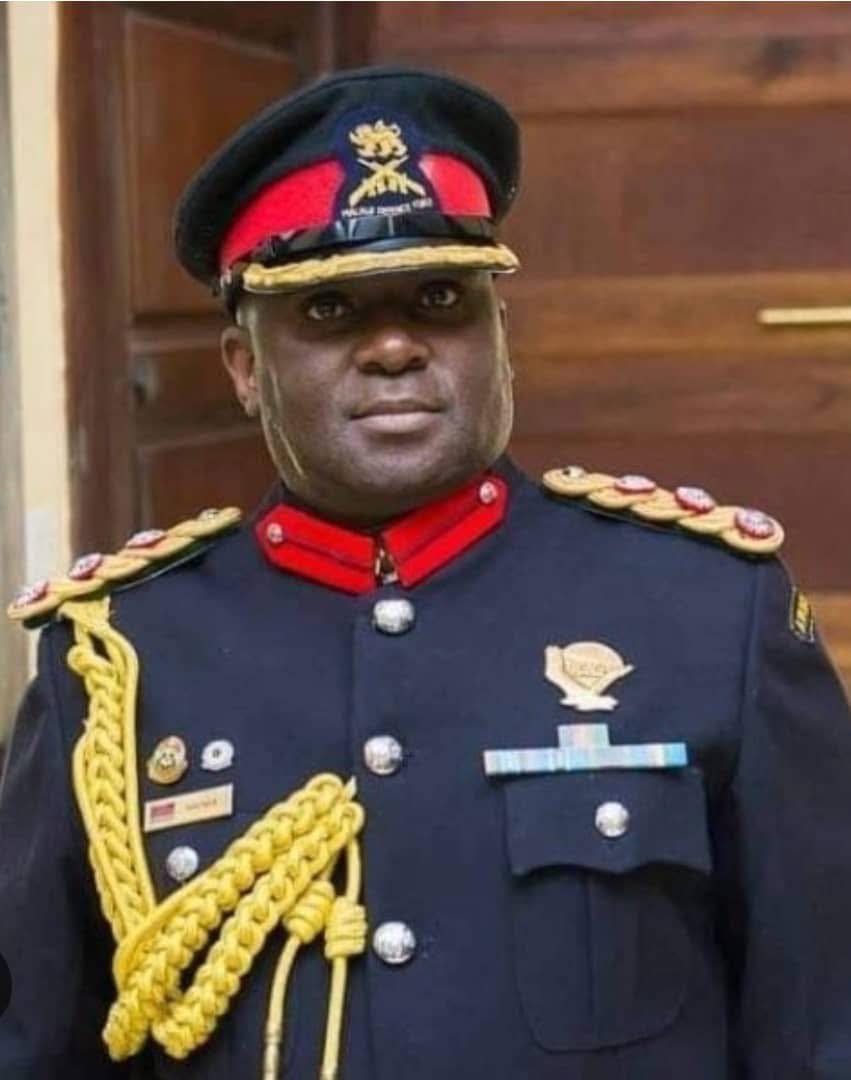
Cables emerging from intelligence sources suggest that Malawi’s National Intelligence Services (NIS) Director General, Brigadier Blaise Sayenda, is under scrutiny over allegations of corruption ,interference in intelligence operations and exposing agents .
According to the reports, Sayenda is accused of withholding or altering intelligence submitted to President Peter Mutharika, allegedly under the influence of payments from political figures and individuals under investigation. These claims, raise concerns about the integrity of intelligence reporting at the highest level of government.
Earlier publication dated February 19 by cables alleged that Sayenda received money from former Malawi Congress Party (MCP) officials to suppress a report relating to the alleged misappropriation of MK 48 billion involving a microfinance institution.
Further allegations link Sayenda to a human trafficking case involving suspected kingpins Bahar Sakar and Rizwan, who were arrested in recent weeks. However, the extent and nature of this alleged connection remain unclear.
In a separate matter concerning the Amaryllis deal, sources claim that the NIS had prior knowledge of a potential scheme to defraud the Malawian government.
Despite this knowledge , it is alleged that no formal report was submitted to the President. The claims further suggest that financial benefits may have been received in exchange for inaction as the Personal assistant to NIS Head Sayenda , is a child of Irene Chikapa who is one of the key figures at Pension Fund who made a decision to steal Malawians money through Amarylis sale .
Additional accusations leveled against the Head of Intelligence involve officials from the Attorney General’s office and the Ministry of Homeland Security, who are alleged to have participated in arrangements to grant amnesty to certain MCP officials. Some observers have described subsequent arrests as largely symbolic rather than substantive.
Concerns have also been raised by intelligence operatives, who allege that sensitive information submitted through official channels has been leaked to targets of investigations.
In some cases, agents reportedly faced direct threats from individuals who appeared to have prior knowledge of classified intelligence.
These developments, pose significant risks to national security operations, potentially compromising intelligence efforts and placing operatives at risk. They also raise questions about the reliability of information reaching the President and its impact on decision-making at the executive level.
About the Author