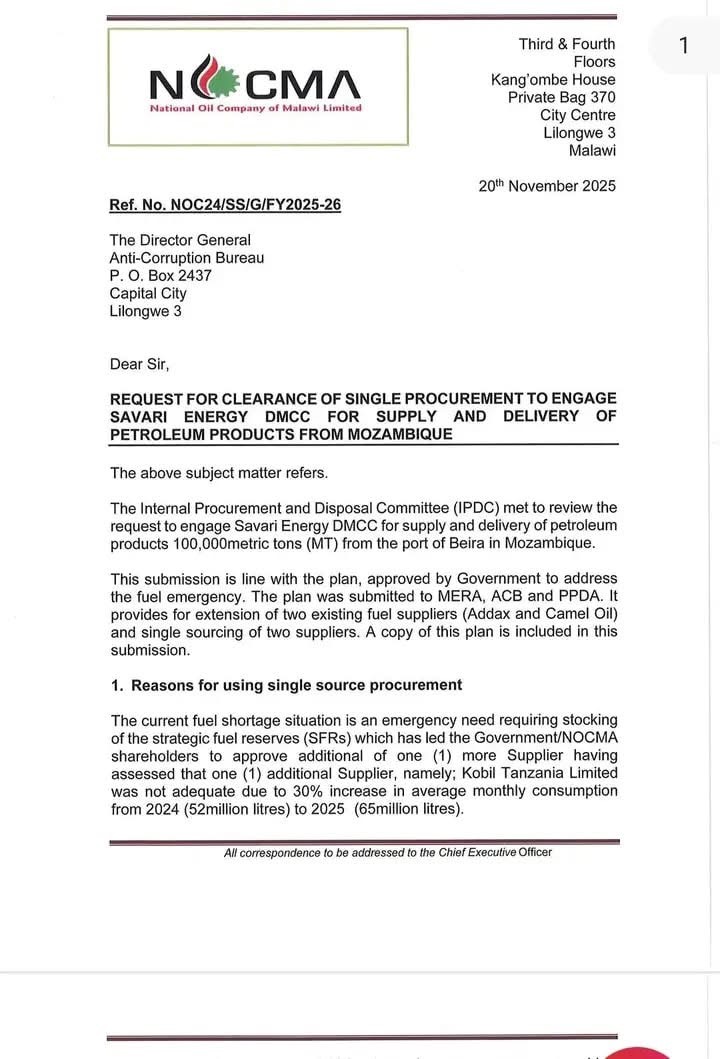
Screenshot
Background
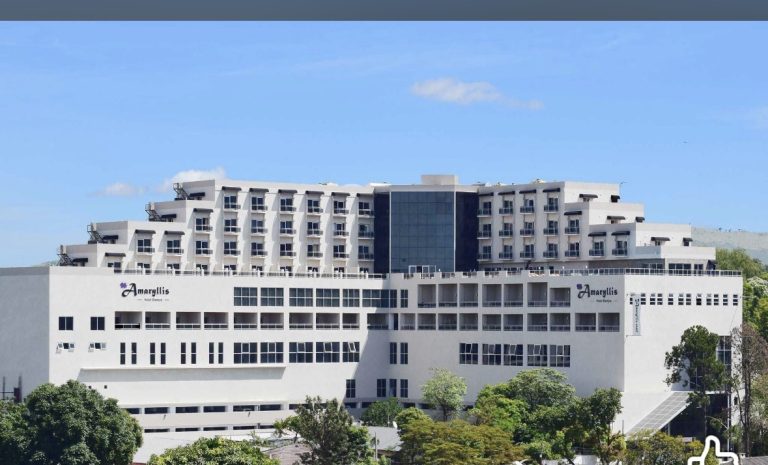
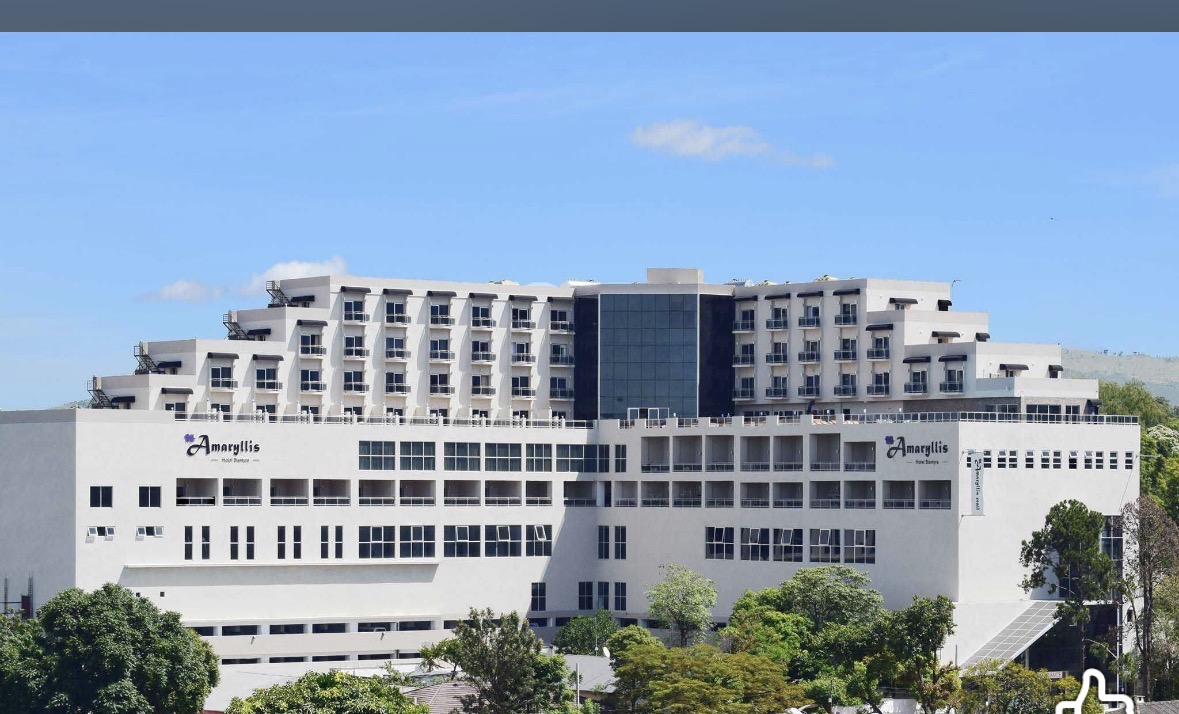
The Amylis Hotel was constructed using equity from shareholders and loans from National Bank and other banks within Malawi, with National Bank being the largest financier.
Due to the COVID-19 pandemic, business performance declined significantly, while interest obligations increased. This resulted in a state of technical insolvency, placing the hotel at risk of repossession by National Bank in order to recover its funds.
This situation caused serious concern among the directors, as there were no alternative investors available to inject capital into the business.
When shareholders learned that the Pension Trust had expressed interest in investing in the hotel sector—particularly through the acquisition of Sigelege Hotel in Salima—they approached the Vice President, who was then championing government reforms. However, following his demise, the deal stalled due to lack of direction.
Subsequently, the directors of Amylis Hotel approached the Chief Secretary to the President, Ms. Colleen Zamba, seeking assistance in connecting with politically influential individuals who could influence the Board of Trustees to invest in Amylis Hotel through equity acquisition.
They also engaged Mr. Chris Kapondagaga, then Director General of State Residences and personal accountant to President Chakwera.
Other key individuals aware of the transaction included:
•Acting Director General of the Anti-Corruption Bureau (ACB), Hillary Chinomba
•Minister of Finance, Simplex Chithyola Banda
•Former Attorney General, Thabo Chakaka Nyirenda
The process required approval from the Reserve Bank of Malawi (RBM), acting as Registrar of Financial Institutions. At the time, the Governor was Dr. Wilson Banda. When he refused to support the transaction, he was removed and replaced by Dr. Mafuta Mwale.
After assuming office, Dr. Mwale reviewed the transaction and provided his professional position. However, following a change in government, he was reported to authorities as a political agent and replaced by Dr. George Patridge.
There were expectations that the governorship would eventually be given to Collins Magalasi, whose involvement is discussed later in this report.
Legal Representation and Conflict of Interest
The legal representative for Amylis Hotel was Gabriel Chembezi, who is currently the Director General of the Anti-Corruption Bureau (ACB).
Following the change in government, new stakeholders entered the process. Mr. Chembezi made a presentation to representatives of the new administration on the very day he was appointed Director General of the ACB. Instead of recusing himself due to conflict of interest, he proceeded with the presentation and reported for duty the following day.
When the matter became public, Chembezi initially issued a restriction notice on the sale, but later removed it after certain issues were reportedly resolved.
It is also notable that Chembezi is from Balaka and is related to the First Lady of Malawi.
Irregularities in the Transaction Process
The Reserve Bank sent an advisory notice to the Attorney General’s Office and scheduled a meeting for 15:00 hours the following day. However, upon arrival, officials were informed that:
•The letter had only been received that same day
•The sale agreement had already been signed
•A down payment had already been transferred to Amylis Hotel
•The outstanding loan had been settled
At this point, only legal disputes remained.
Allegations of Corruption and Payments
Investigations indicate that payments related to the transaction were made in cash through third parties, making traceability difficult. However, proceeds of crime are allegedly reflected in asset acquisitions by involved individuals.
Alleged payments include:
•Frank Farook Mbeta: MWK 5 billion
•Minister of Finance: MWK 4 billion for approving the transaction
•Secretary to the Treasury: MWK 2 billion for recommendations
•Chief Secretary to the President (Justin Saidi): MWK 2 billion
•Former Chief Secretary Colleen Zamba: Received direct payment and later relocated to South Africa
•Prince Kapondagaga: Paid for initiating the deal
•Pension Trustees: Received undisclosed amounts as exit benefits
•Hillary Chinomba: Acquired properties and assets locally and in Zambia
•Former Attorney General: Acquired luxury assets and relocated to the United Kingdom for further studies
It is alleged that Gabriel Chembezi also received payments through third parties.
Key Individuals and Roles
Gabriel Chembezi
Identified as a central figure in the transaction. As a politically exposed person (PEP) and ACB Director General, his involvement represents a serious conflict of interest.
He is alleged to have facilitated the distribution of proceeds of crime, including funds allegedly linked to the First Lady.
Paulos Chisale
Acted as a proxy, allegedly receiving funds under the pretext of delivering them to the President, and using them for personal expenses.
Tadikila Mafubza
Received funds directly and is reportedly investing in property development.
Collins Magalasi
Played a coordination role, engaging trustees, directors, and regulatory authorities to ensure the transaction proceeded. Allegedly received MWK 4 billion.
Colonel Blessy Saenda
Director General of the National Intelligence Service (NIS), allegedly received MWK 500 million. Funds were reportedly used to acquire a vehicle.
Elizabeth Chikapa
Personal Assistant to the DG of NIS. Her mother, Irene Chikapa, is a trustee of the Government Pension Fund, raising concerns about institutional compromise.
Key Red Flags
•Involvement of the ACB Director General in an active corruption case
•Unusual speed of transaction execution
•Disregard for Reserve Bank advisory
•Lack of independence in the Attorney General’s Office
•Inflated property valuation by unqualified individuals
Economic Implications for Malawi
These alleged financial crimes pose significant risks to Malawi’s economy.
In 2028, Malawi is scheduled for a Mutual Evaluation assessing compliance with anti-money laundering standards. Poor performance could result in:
• Placement on the grey list
• Loss of foreign direct investment
• Reduced access to IMF funding
• Severe foreign currency shortages
The Reserve Bank’s actions appear aimed at preventing such outcomes.
Reference should be made to the FATF Forty Recommendations, particularly Recommendations 6–12.
Recommendations
- Immediate dismissal of all government officials implicated in the transaction
- Strengthening anti-money laundering enforcement mechanisms
- Reform of the Financial Intelligence Authority (FIA) to grant prosecutorial powers
Currently, the FIA can investigate but must refer cases to other agencies, which may be compromised.
Granting prosecutorial authority—similar to systems in countries such as South Africa—would improve accountability and deterrence.
About The Author